Buying a PDRN Serum? Here’s Everything You Need to Know About the Trending Ingredient

Dr Yumiko Kadota is an Australian-trained medical doctor with 14 years of clinical experience. She owns a cosmetic skin clinic in Sydney, performing treatments such as injectables, lasers, and chemical peels. She was born in Tokyo and loves using Japanese and Korean skin care in particular. You can find her on @dryumikokadota or @sydneyfacedoctor
Topical PDRN serums can aid tissue regeneration and boost hydration without injections, and three clinician-tested picks suit distinct skin needs. I compare Medicube PDRN Pink Peptide Serum, VT Cosmetics PDRN Essence 100 and Innisfree Retinol Green Tea PDRN ampoule, focusing on texture, key actives and when to add each to your routine.
Fast Facts You Need to Know
- Choose Medicube for plump, well moisturised skin with peptides, glycerin and hyaluronic acid
- Pick VT Cosmetics PDRN Essence 100 for barrier support with ceramides and panthenol
- Use Innisfree Retinol Green Tea PDRN at night to add retinoids; start weekly and build up slowly
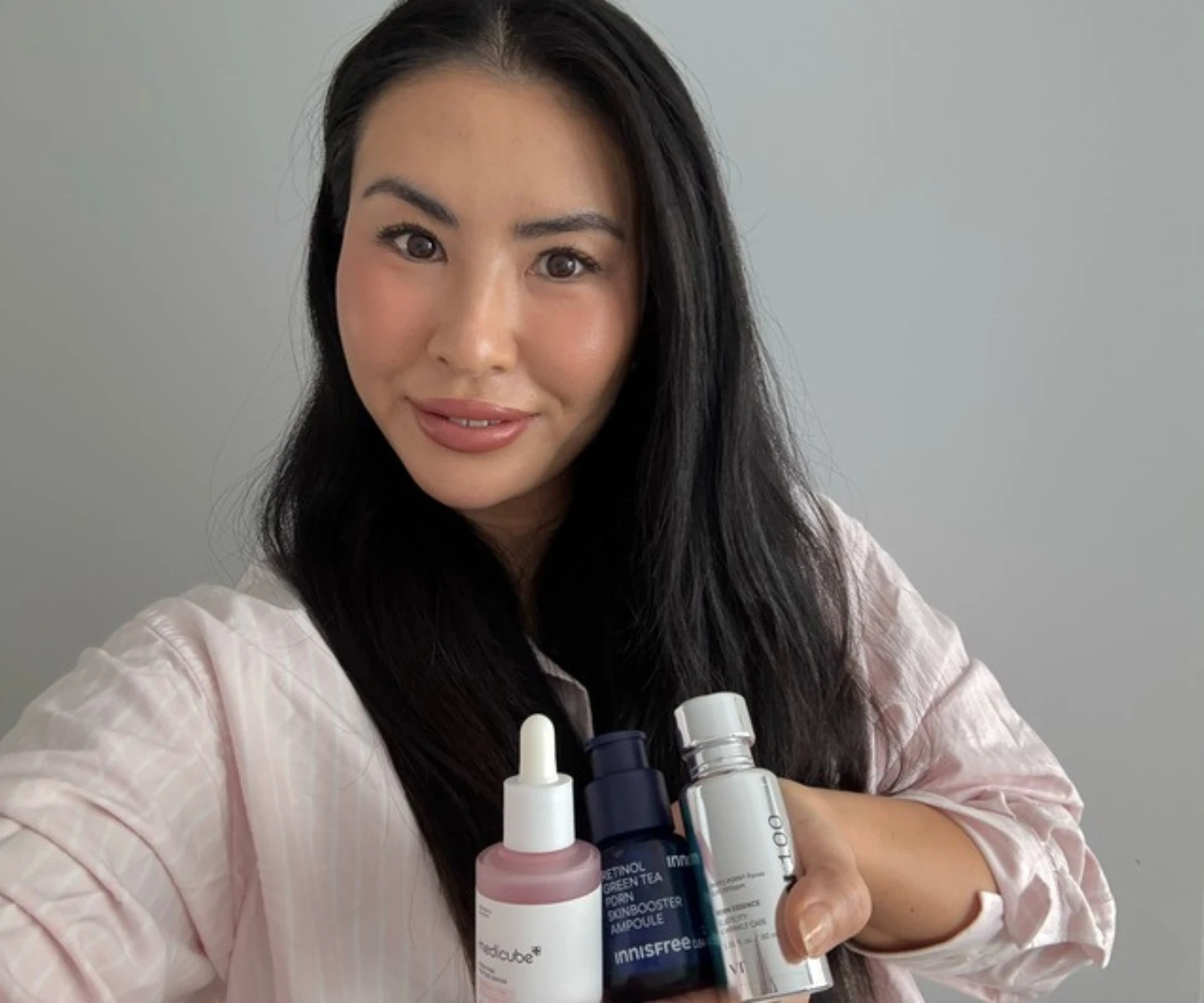
PDRN is the it-girl of skincare at the moment, but there are a few things you should know to help navigate what you’re seeing online.
What is PDRN in Skincare?
PDRN stands for polydeoxyribonucleotide, which is a DNA fragment. This should not be confused with polynucleotides (PN), which are the injectable form that you may have seen in clinics. There is some misinformation online by those who don’t understand the difference.
“Salmon sperm facials” only went viral a couple of years ago, and you may have felt it was over-hyped or even a scam. The use of DNA fragments in Medicine has actually been researched since the 80s; the earliest being derived from trout.
PDRN Benefits in Skincare
The benefits studied include wound healing, decrease in inflammation, and regeneration of new tissue. It has had a wide range of applications, including for eye injuries, and joint conditions. PN comprises of much longer chains of DNA, which cannot be absorbed through the skin, hence why it needs to be injected in a clinical setting. PDRN is much smaller, and can be used topically.
Seeing the potential for PDRN to be used in skincare, the first products entered the K Beauty space 5-6 years ago, using salmon derived PDRN.
Since then, scientists have developed methods of extracting, purifying, and stabilising PDRN from plant sources like ginseng, green tea, and rose.
What's the Difference Between PDRN Serums?
One of the problems with deciding what PDRN product you want to buy is that you can’t directly compare these different sources of PDRN. You may have seen content online comparing the “ppm” of different PDRN products, but this is not entirely helpful. PPM stands for parts per million, and it measures concentration.
Products with low ppm may still have good formulations with benefits from their other ingredients, while high ppm doesn’t necessarily mean better.
Moreover, using huge ppm numbers to advertise products can be misleading, as they are sometimes expressing the concentration of the extract solution rather than the concentration of pure PDRN content.
The quality of PDRN and its efficacy rely on a number of factors including source, extraction and purification techniques, chemical stabilisation, and delivery systems.
So, How *should* I Choose The Best PDRN Serum For Skin?
Below are three PDRN products I’ve tried and loved this year, and they’re vastly different! When I select any skincare product, I like to look at what else is in it, and not just the hero ingredient.
Medicube PDRN Pink Peptide Serum
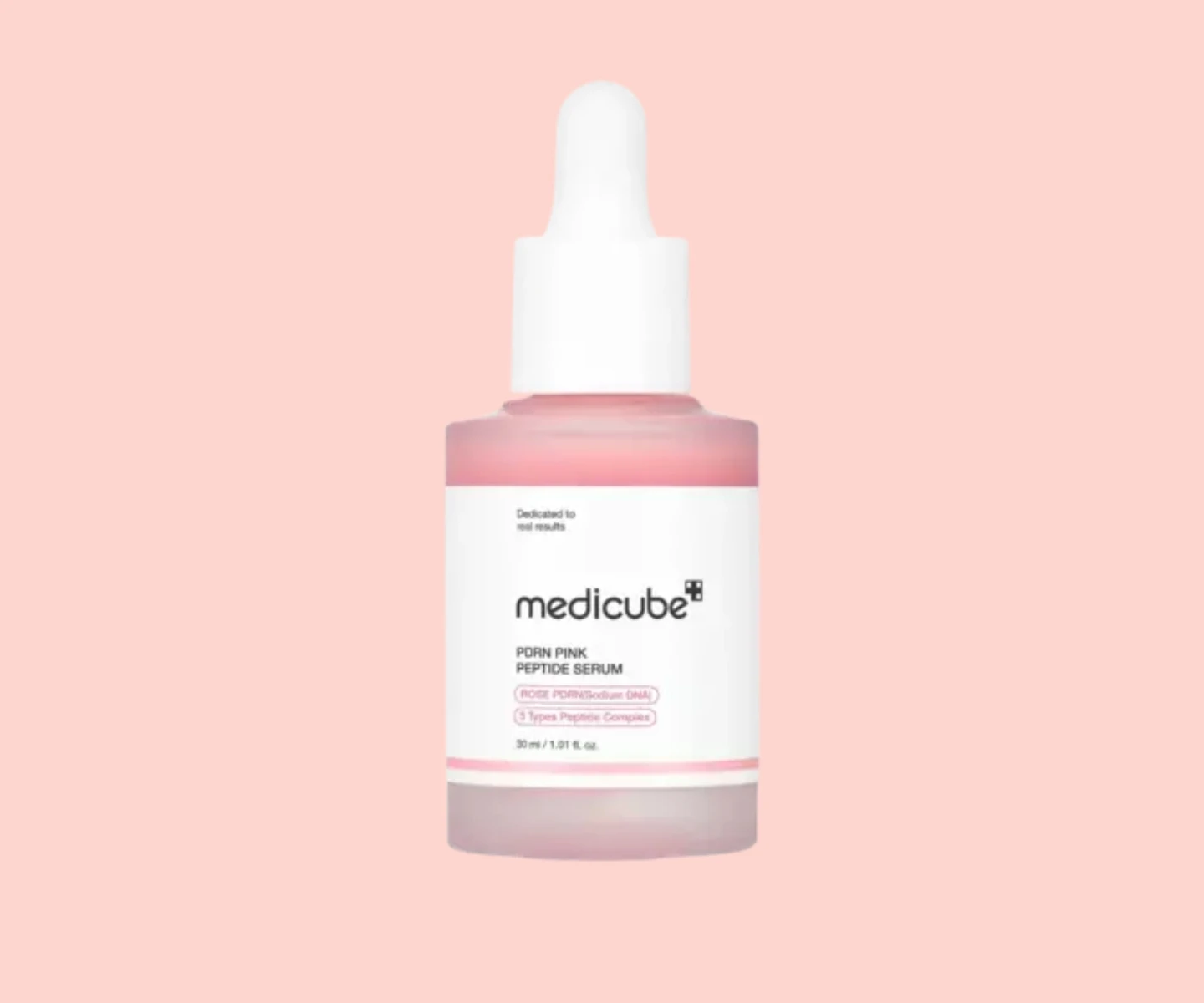
Let’s start with Medicube’s PDRN pink peptide serum, which uses salmon derived PDRN. To complement the regenerative properties of PDRN, this serum also has antioxidants and peptides that help to build collagen.
Using this serum makes my skin feel plump and well moisturised. It has plenty of hydrating ingredients like glycerin and hyaluronic acid.
I would say that the texture is on the thicker side of most serums but not too heavy. This serum does have a fragrance, but not over-powering. This is oddly specific but to me it smells like apple muffins.
VT Cosmetics PDRN Essence 100
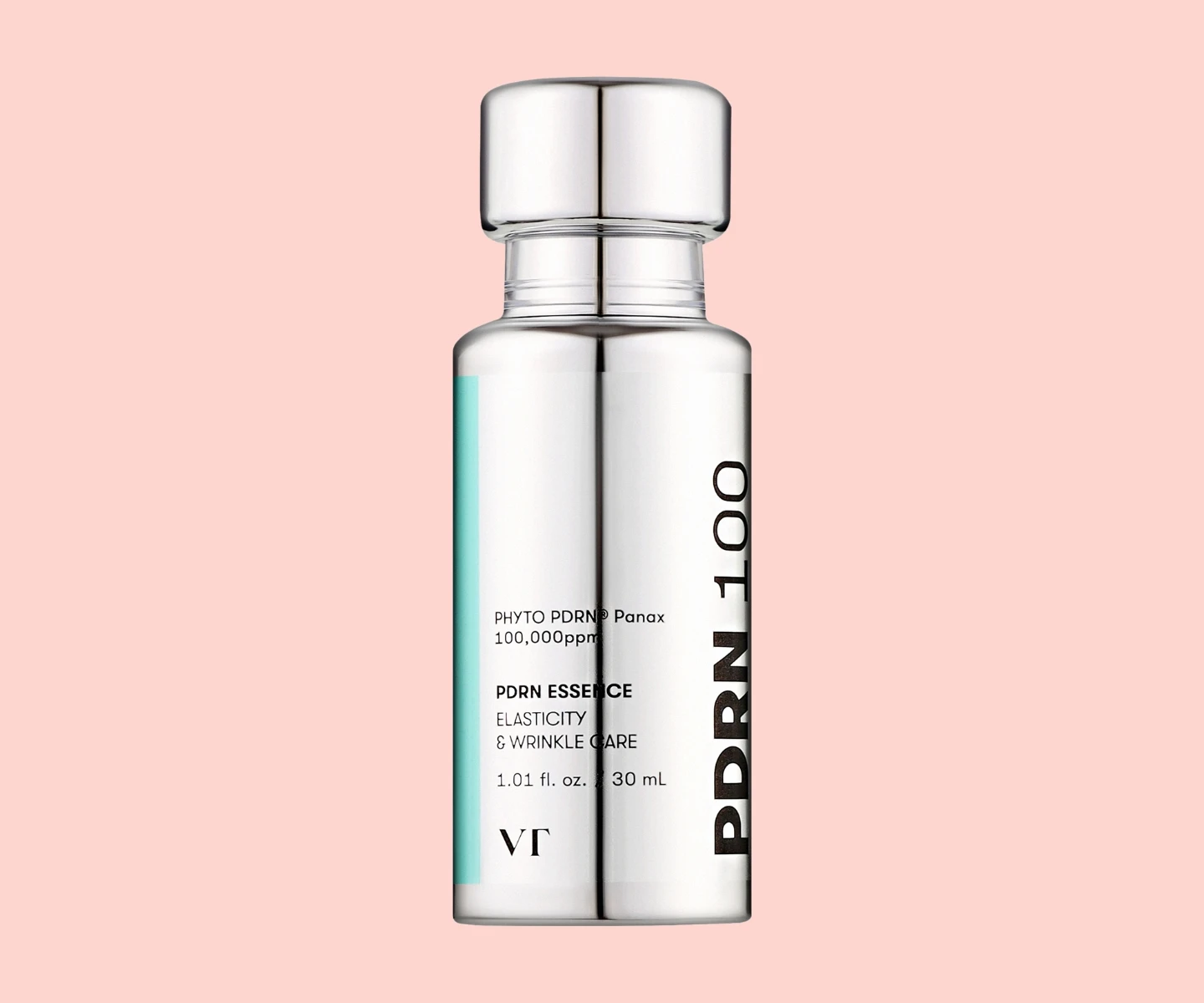
The VT Cosmetics PDRN Essence 100 uses ginseng derived PDRN and would be my pick for barrier support. It is a milky essence with a rich texture without being greasy.
It has ceramides and feels moisturising enough that I often don’t feel the need to use a moisturising cream on top, especially during the warmer months.
This essence can be used by sensitive skin types, and has soothing ingredients like panthenol and allantoin. I found that this essence made my skin soft and smooth, and it is fragrance-free.
Innisfree Retinol Green Tea PDRN Ampoule
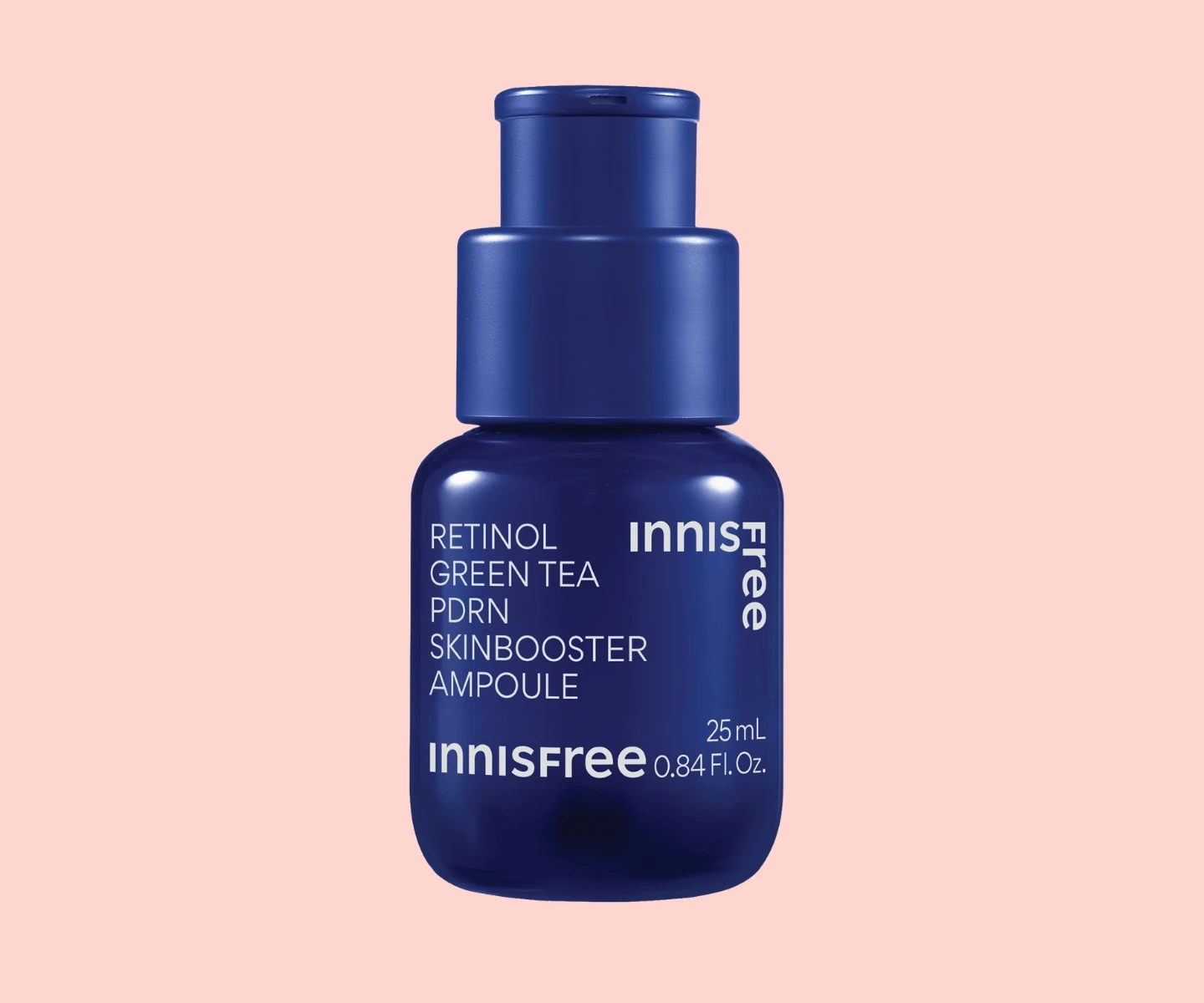
For your night routine, the Innisfree Retinol Green Tea PDRN ampoule is a great option, especially if you are keen to use more actives. This product also has a retinoid complex with retinol and hydroxy pinacolone retinoate.
If you are new to using retinoids or have sensitive skin, you may wish to start using it once a week and slowly build up the frequency. The PDRN in this ampoule is produced by the fermentation process of green tea with lactobacillus.
As well as actives, this product also has calming and hydrating ingredients to give you a balanced experience.
It is a bit more lightweight compared to the Medicube serum, and fast absorbing. There is a faint green tea scent, but does not have any added fragrances.
Virality can make skincare products seem gimmicky, but PDRN is a well-established ingredient and part of the ever-expanding area of regenerative skincare.
Depending on what you’re looking to add to your routine, the above three products are worth the hype.
K-Beauty fans, check out Dr Yumiko's top Korean skincare product recommendations below: