

< Skincare
- Sheet Masks
- Exfoliating Masks and Peels
- Clay Mud Masks
- Eye Masks
- Lip Masks
- Overnight Masks
- Hydrating masks
Filter by
Recommended
Recommended
Newest
Lowest Price
Highest Price
Best Sellers
Highest Rated
Facial Masks

Facial Masks products


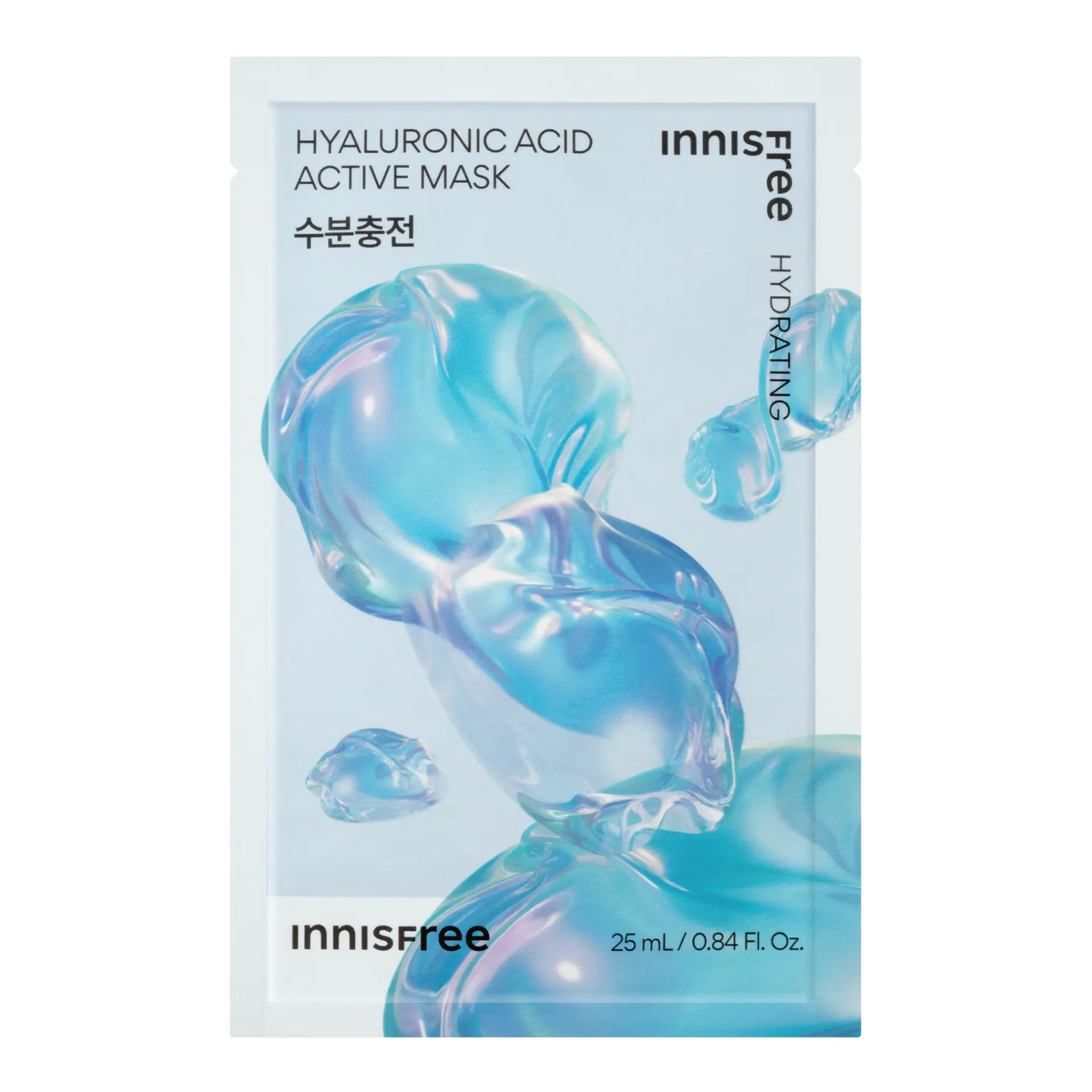
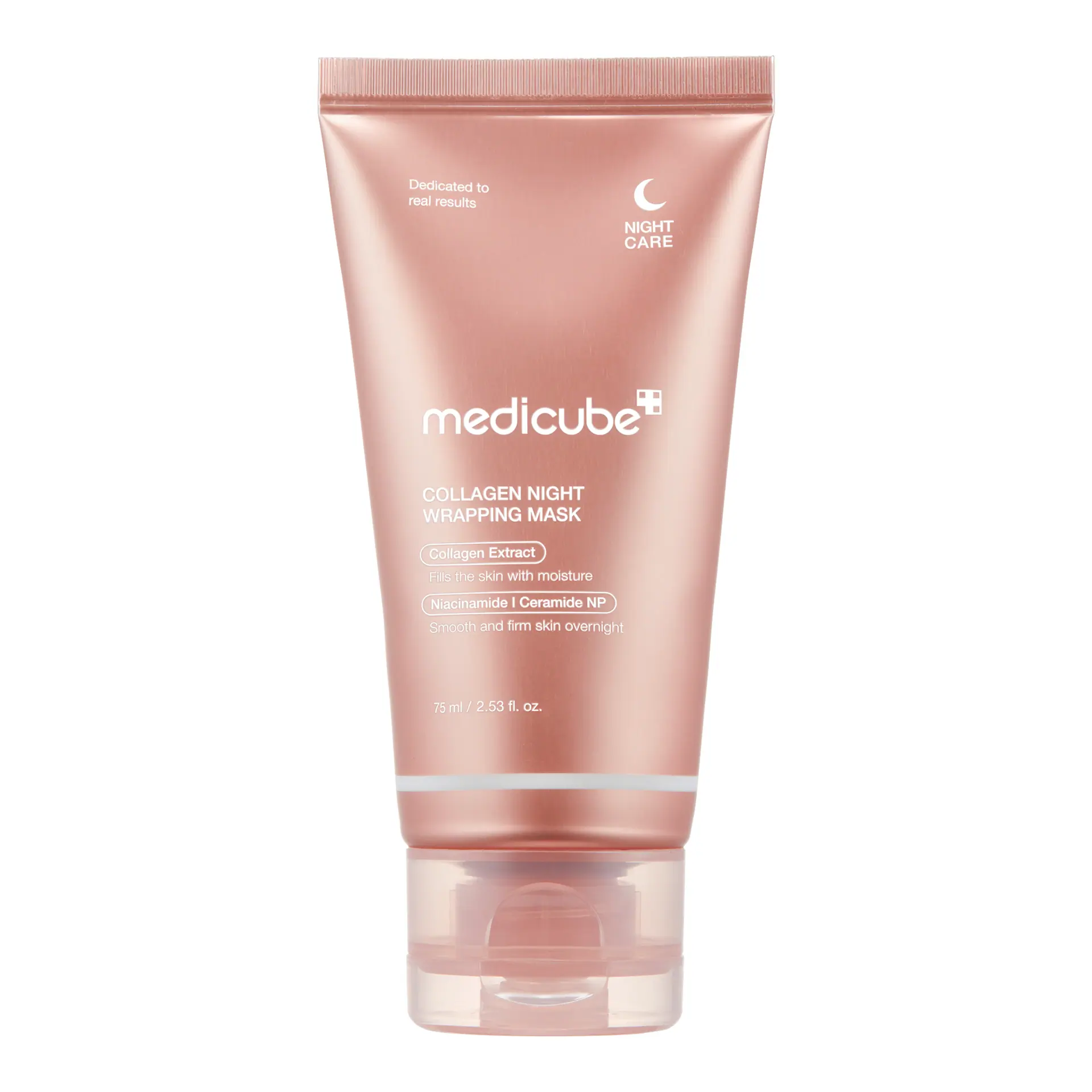
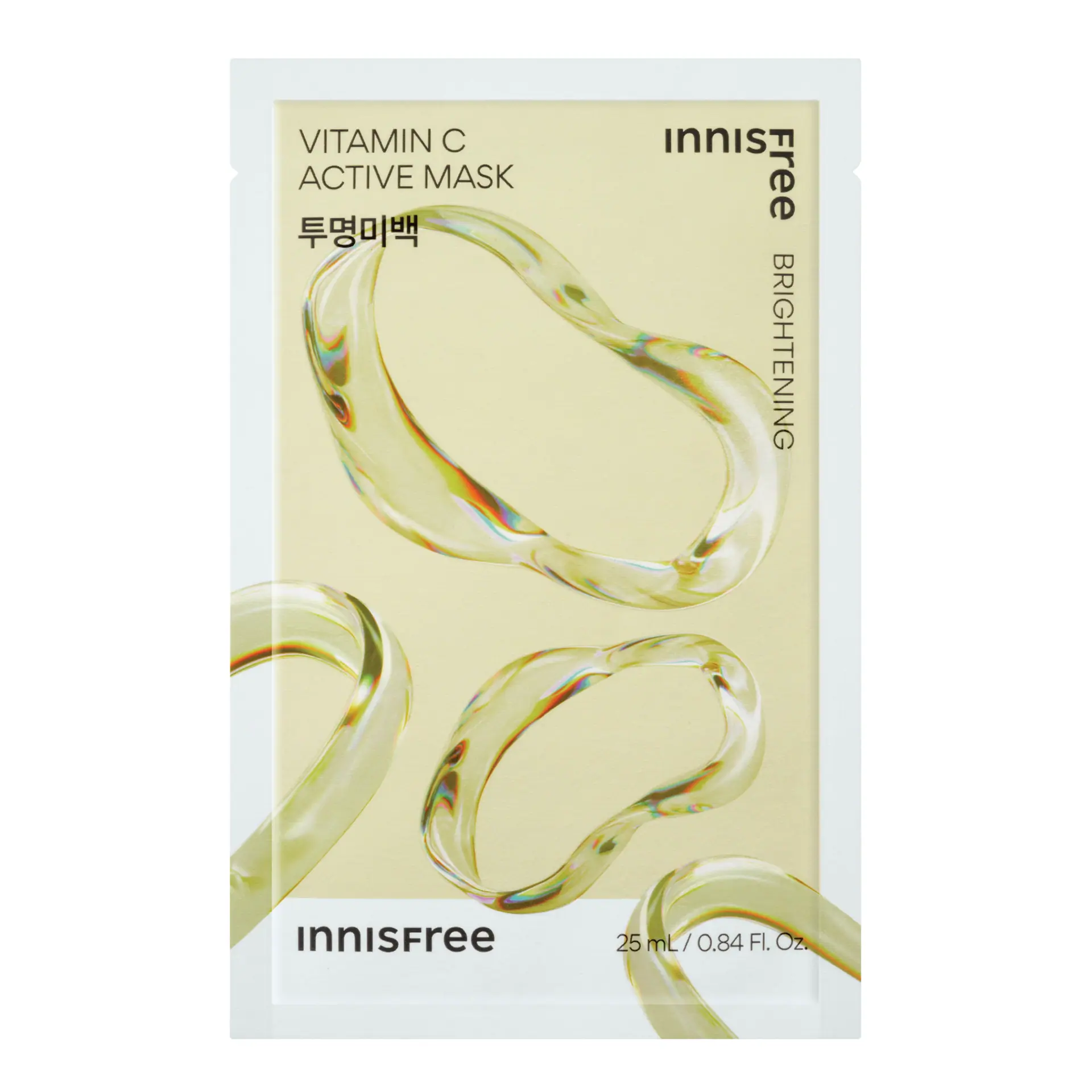
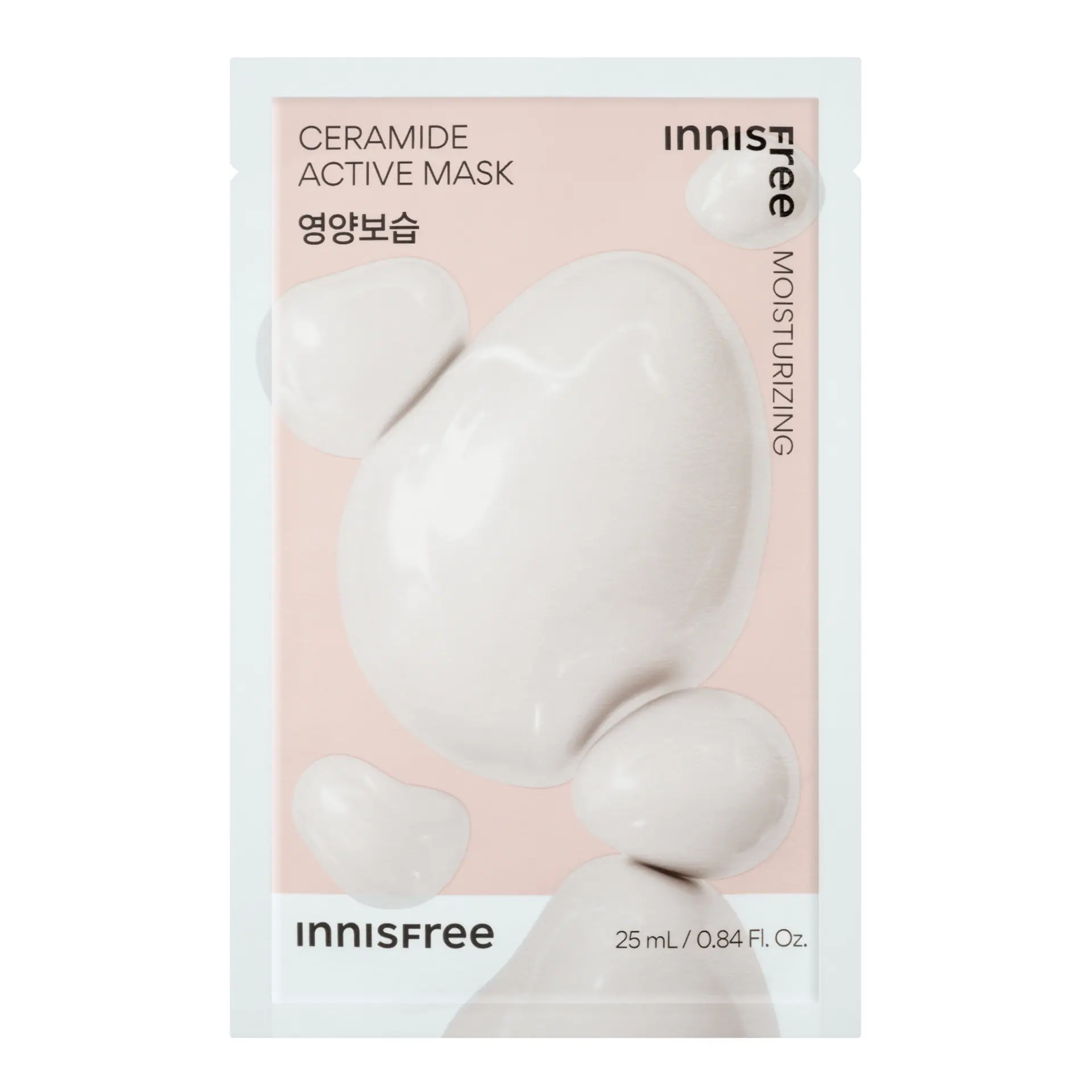















Showing 50 products of 229
Shop Facial Masks for Every Skin Concern
Facial masks provide intensive treatment that goes beyond your daily cleanser and moisturiser routine. These concentrated formulas deliver higher levels of active ingredients directly to your skin, addressing specific concerns like dehydration, congestion, dullness, or sensitivity. Different mask types work through varied mechanisms: clay and mud masks absorb excess oil and draw out impurities, gel masks provide lightweight hydration, and sheet masks create an occlusive barrier that forces serum into skin.Your skin type determines which facial mask formulas work most effectively. Oily and congested complexions benefit from purifying treatments like charcoal masks that clear pores without stripping moisture. Dry skin responds well to hydrating masks containing hyaluronic acid, ceramides, and nourishing oils. Sensitive complexions need calming formulas with soothing botanicals like centella asiatica and chamomile. Combination skin often requires different treatments for various facial zones, focusing on purifying masks on oily T-zones while using hydration on drier areas.
The BIODANCE Bio-Collagen Real Deep Mask delivers collagen that firms, lifts, and creates a healthy glow. This Korean sheet mask starts white and gradually becomes transparent as your skin absorbs its nourishing nutrients. The Klairs Midnight Blue Calming Sheet Mask combines bamboo charcoal powder with calming ingredients that cleanse pores, reduce redness, and provide deep hydration with a cooling effect.
Tips To Incorporating a Facial Masks into Your Skin Care Routine
Building a complete mask collection means having options for different days and skin situations. Weekly deep-cleansing sessions prevent congestion buildup, while hydrating treatments combat seasonal dryness. Brightening masks prepare skin for events, and calming formulas soothe reactivity after environmental stress or active treatments. Single-use formats like sheet masks offer convenience and hygiene, while multi-use pots and tubes provide better value for regular masking routines.Consider incorporating specialised treatments for delicate facial areas alongside your full-face masks. Eye masks target under-eye concerns like puffiness and dark circles with caffeine and brightening actives. Lip masks restore moisture to dry, chapped lips with intensive emollients. Overnight masks work during your skin's natural repair cycle, delivering extended treatment while you sleep.
Rotating different mask types throughout the week creates comprehensive skincare benefits. Use exfoliating masks and peels once weekly to remove dead skin buildup and reveal fresher cells beneath. Follow exfoliation immediately with hydrating treatments to replenish moisture. On alternate days, purifying clay or charcoal masks keep pores clear without over-treating skin. This strategic approach addresses multiple concerns while avoiding the irritation that comes from using too many active treatments simultaneously.
Premium Face Masks for Targeted Skin Solutions
Quality facial mask formulas deliver measurable results through carefully balanced ingredient combinations. Modern treatments do more than provide surface benefits; they contain actives that penetrate into skin layers where they can create lasting improvement. Understanding what different ingredients accomplish helps you select the most effective treatments for your goals.Key ingredients to look for based on your primary concerns
- Hyaluronic acid and glycerin for intense hydration that plumps fine lines and prevents moisture loss
- Niacinamide and vitamin C for brightening dark spots, evening skin tone, and protecting against environmental damage
- Salicylic acid and tea tree for clearing congested pores and managing breakouts
- Peptides and retinol alternatives for supporting firmness and reducing visible signs of ageing
- Centella asiatica and aloe for calming sensitivity, reducing redness, and strengthening compromised skin barriers
How To Use Your New Face Mask
Application timing affects how well masks perform. Use treatments on freshly cleansed skin to ensure maximum ingredient absorption without barriers from makeup, sunscreen, or daytime skincare products. Most masks work best when applied in the evening when you can relax during the 10 to 20 minute treatment time. Some people prefer morning masking before makeup application, as the immediate plumping and smoothing effects create an ideal canvas for foundation.Frequency depends on treatment intensity and your skin's tolerance. Gentle hydrating and calming masks can be used two to three times weekly or even daily for severely dehydrated skin. Intensive treatments like strong exfoliating peels typically require less frequent application, around once weekly or fortnightly. Purifying clay and charcoal masks suit weekly use for most complexions. Listen to your skin and adjust based on how it responds, reducing frequency if you notice any dryness, sensitivity, or irritation.
Store your mask collection properly to maintain product efficacy and hygiene. Keep treatments in a cool, dry place away from direct sunlight and heat, which can degrade active ingredients. Some people refrigerate gel and sheet masks for an extra cooling, depuffing effect. Always use clean hands or a spatula when scooping from pots to prevent bacterial contamination. Check expiry dates regularly and use opened products within their recommended timeframe, typically 6 to 12 months after opening.
FAQs
How long should I leave a facial mask on my skin?
Can I use facial masks if I have sensitive or reactive skin?
Which facial mask works best for acne-prone and oily skin?
Should I apply moisturiser after removing a facial mask?
Facial Masks, Articles & Advice
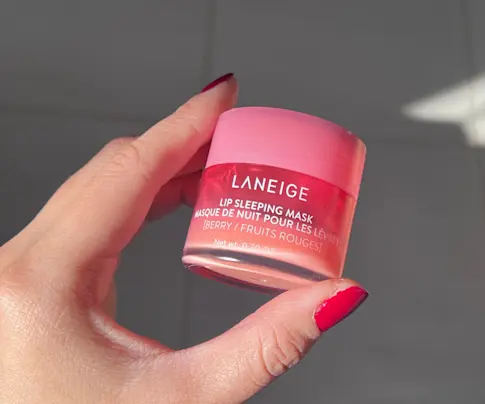
The Very Best Products for Dry, Chapped Lips We've Tried
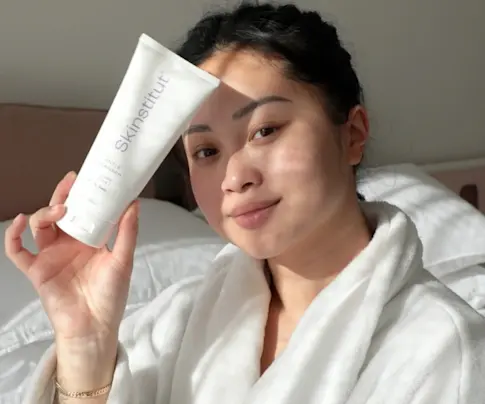
Skincare Newbie? These Are the Top Skincare Products You Should Instantly Add to Cart
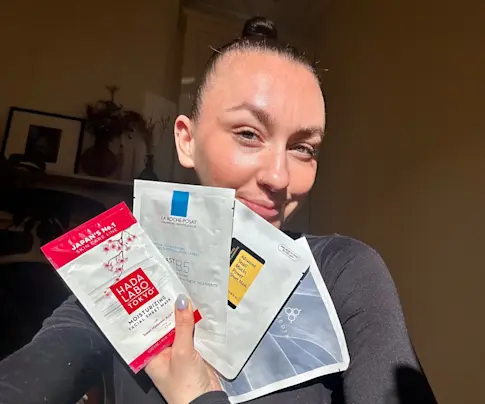
Bargain to Bougie: 4 Hydrating Sheet Masks For Dry Skin
The 9 Best Products for Acne Prone Skin in Australia 2026
Recent reviews on Facial Masks products

AXIS-Y New Skin Resolution Gel Mask
$42.90$30.03Refreshing
Refreshes and leaves my skin looking glowy.

Aspect Fruit Enzyme Mask 50g
$69.00$55.202 products in 1
This is applied at first like an exfoliator and left to set like a mask and it is a must have in my routine now! It smells beautiful and feels so luxe on the skin and it doesn't feel drying once removed.

Laneige Lip Sleeping Mask - Candy Cane
$32.00$22.40Night time treat
Nice minty balm for lips at night. It's smooth but light and I wake up with moisturised lips. I prefer this to the brown cocoa one which stains my pillow cases.
Top Facial Masks brands







Adore Beauty Acknowledges the Woiwurrung language group of the Eastern Kulin Nations as the Traditional Owners of the land our Customer Fulfillment Center and Head Office conduct our business operations on. We would like to extend that Acknowledgement and Respect to all First Nations People and Elders across Australia as our parcels travel across their land, air and water. We recognise First Nations Peoples continuous relationship and connection to Country and at Adore Beauty we commit to treading lightly on the land our parcels travel. We pay our respects to Elders past, present and future.
Customer Service





Australia
Australia

New Zealand