Why Step Two Is The Most Underrated In Your Dry Skin Routine

Sarah Tarca is a beauty journalist, writer and co-founder of Australia’s first dedicated beauty newsletter, gloss etc. Her skills involve applying lipstick without a mirror, bullying people to wear sunscreen and procrastinating washing her hair. She loves her kids, skincare and potatoes in equal measure — almost as much as she loves SkinCeuticals CE Ferulic. Almost. Find her on socials @tarca
Adding a hydrating second step — especially milky toners and essences popularised by K-beauty — noticeably boosts hydration, strengthens the skin barrier and helps actives penetrate better for dry-leaning skin. This article covers how toners differ from essences, which ingredients to look for, how to apply them and a few tried picks.
Top Insights From This Guide
- Choose humectants like hyaluronic acid, polyglutamic acid, ectoin or glycerin.
- Pick milky toners with ceramides, fatty acids and squalane for barrier support.
- Apply to damp skin with your hands, press in, then follow with serum and moisturiser.
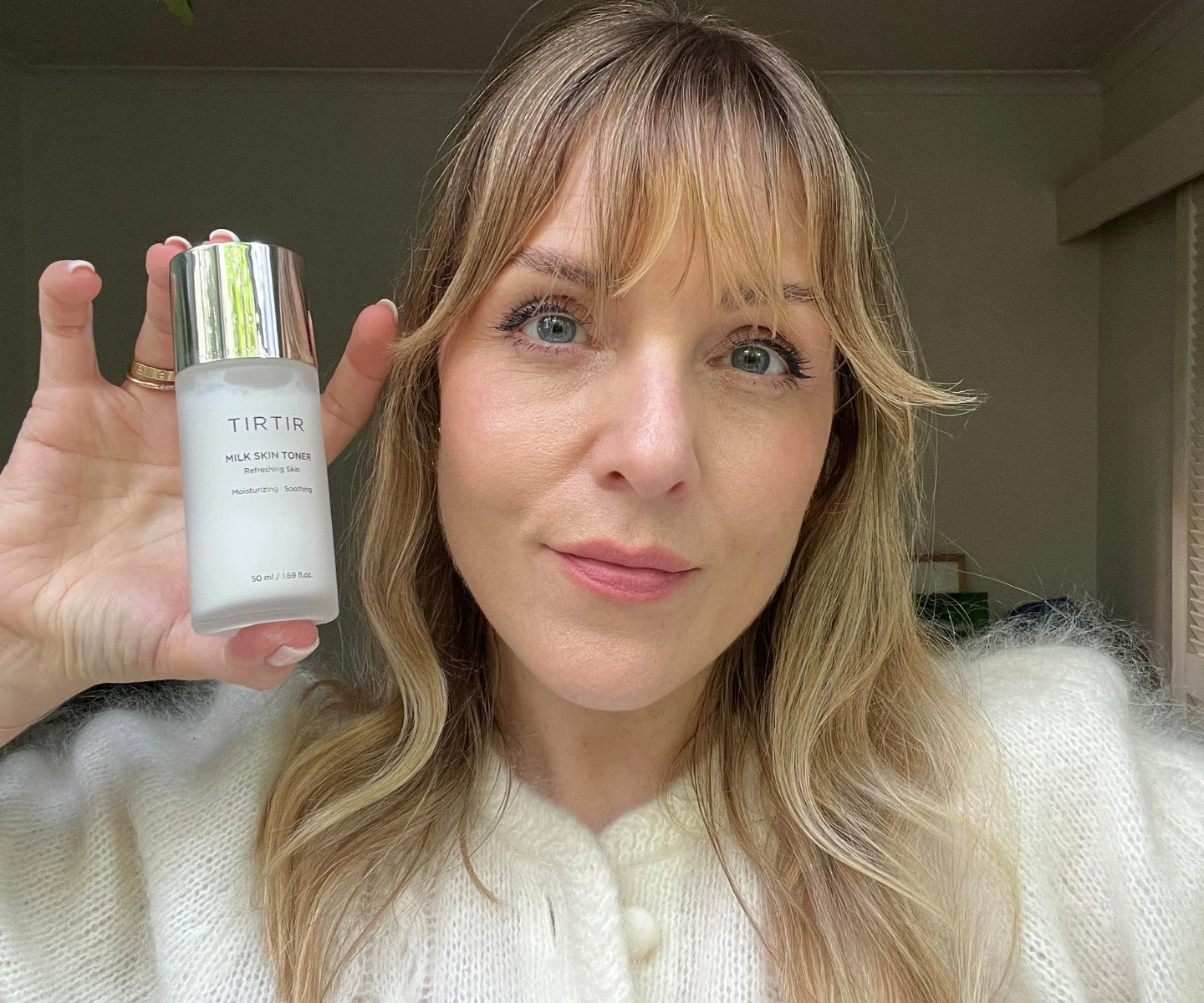
- Try The Ordinary Saccharomyces Ferment 30% Milky Toner, $24 or TirTir Milk Skin Toner, $48.
Hear me out: I am never one to tell you to add more products to your routine.
Trust me, you can barely get me to double cleanse because I just want to use a cleanser that does all the things. But, for a few years now, I have been a devotee of the “second step”, that is: toners and essences, and the difference it’s made to my dry-leaning skin has been enough to write home — or here — about.
So, here we are.
What is Step Two?
Reeling it back for a minute, let's talk about the second step, the one straight after cleansing. Way back when, a “toner” used to be akin to paint stripper, an astringent, alcohol-flooded product marketed to teens to really “clean their pores” of all the oil.
When we all realised stripping the skin was actually part of the problem (because the skin then overcompensated… by producing more oil), toners became a dirty word for years. But step two has made a comeback, thanks to K-beauty and renewed formulations that add to rather than take away from the skin.
The K-beauty difference is that essences and toners are designed for hydration and prep.
What’s the Difference Between Toner and Essence
Ok, now to know your essence from your toner. But this is tricky, because now the terms are used interchangeably.
It used to be the case that a toner was more clarifying, to remove oil or rebalance the skin (sort of a final cleanse step), with essences typically more viscous, with a more “watery” feel, packed with humectants and skin-supporting ingredients designed to hydrate and prep.
But now the lines are blurred, and it’s more about choosing the product and ingredients that best support your skin needs, but here we’re going to focus on hydrating toners, because truly, they’re my favourite.
The Milky Toner Boom
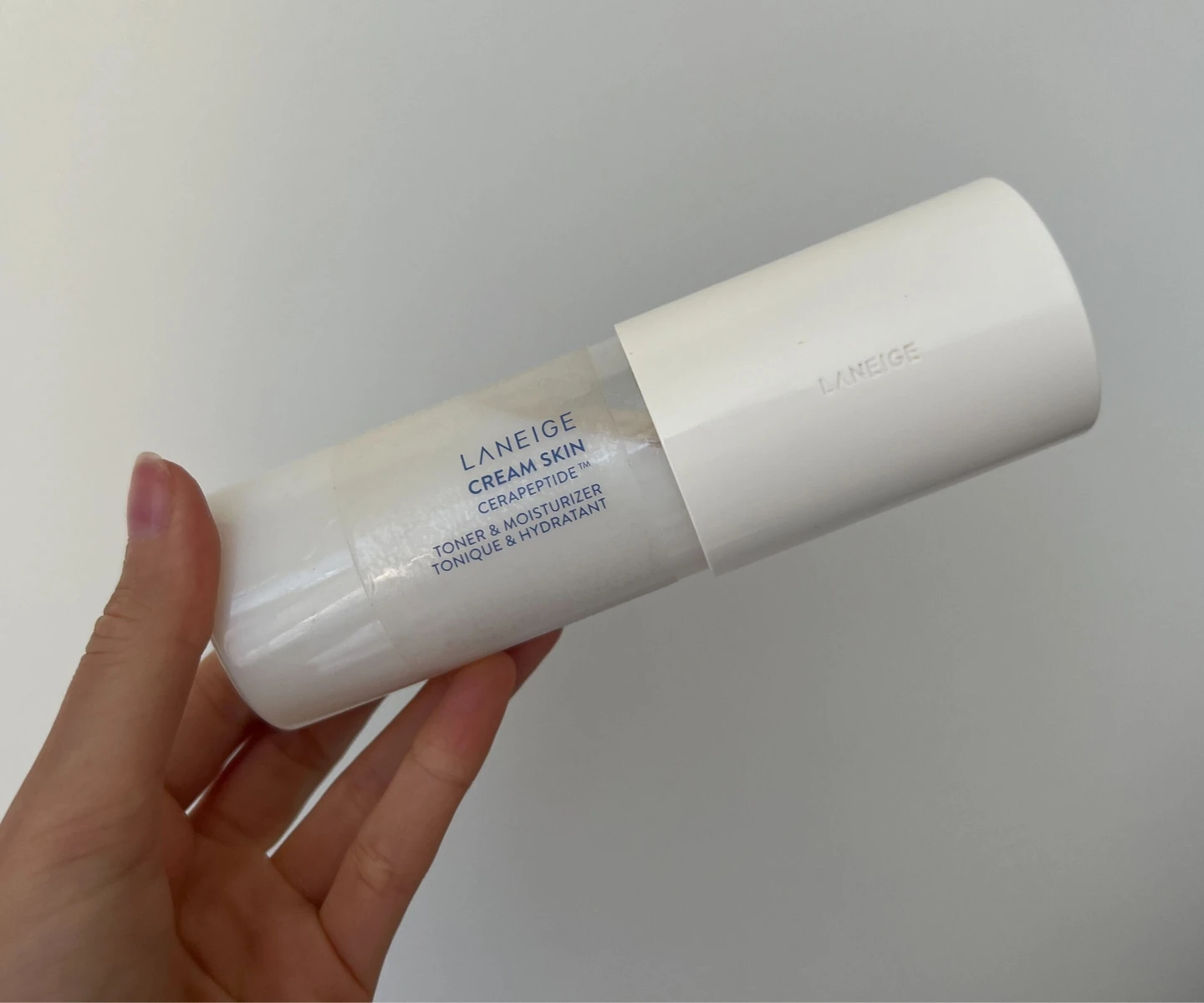
Which brings us to the two-step darling: milky toners.
These have absolutely popped off in the last couple years, and their focus is to deliver lightweight hydration that absorbs quickly and prepares the skin to better receive the products that follow, bridging the gap between hydration and barrier support.
They typically have ingredients like ceramides, fatty acids and soothing extracts, giving them a slightly creamy texture while still remaining fast-absorbing.
This is essentially because hydrated skin is more permeable, so the actives can penetrate more effectively. If the term “skin flooding” rings a bell, this is essentially the crux of it: light layers of hydration to combat dehydrated skin, and it’s precisely why I think this is the most underrated part of the dry-skin routine.
Why Step Two Is The Most Underrated Step
So now we have finally cottoned on to what K-beauty has known for a long time: hydration and respect for the skin barrier are the foundation of good skin. And they use essences/ toners as the base layer for this hydration.
It makes sense: if your skin is dehydrated, why would you rely on one cream to do all the heavy lifting? When it’s winter, we don’t just put on one piece of clothing to keep us warm — we use layers.
This too is the basis of skin flooding, which of course is just the cute TikTok name for something dermatologists have been doing for years: layering multiple lightweight hydrating products for maximum moisture retention. This is because damp skin is more receptive to humectants (that is, ingredients which bind and hold water to the skin), so the layers trap the water in at every stage.
And where does it start? With your toner/essence.
What to Look For In A Hydrating Toner
So, how to choose your hydrating toner? First look for a mix of humectants (think hyaluronic acid, polyglutamic acid, ectoin, beta-glucan and glycerin) mixed with barrier-supporting ingredients like ceramides and fatty acids which mimic the skin's lipid structure to help build resilience and minimise transepidermal water loss.
Then, look for emollients (like squalane) to smooth and soften, and, if your skin is on the reactionary/ sensitive side, look for soothing ingredients like cica, green tea or panthenol to further support the skin barrier.
How to Use a Toner
The other key thing is application. Go in with your hands post-cleanse while your face is still damp and press it into the skin, then follow with your hydrating serum and lock it all down with a moisturiser.
Simple right? It’s just a small routine tweak that makes a big difference to your skin.
Take it from me, a step two convert, when I say you’ll be marvelling at the texture (so soft!) and plumpness (so much hydration!) of your skin in no time.
I’m so excited you get to try this just as we’re heading into winter!
Go forth and get that good skin.
Best Toners for Dry Skin
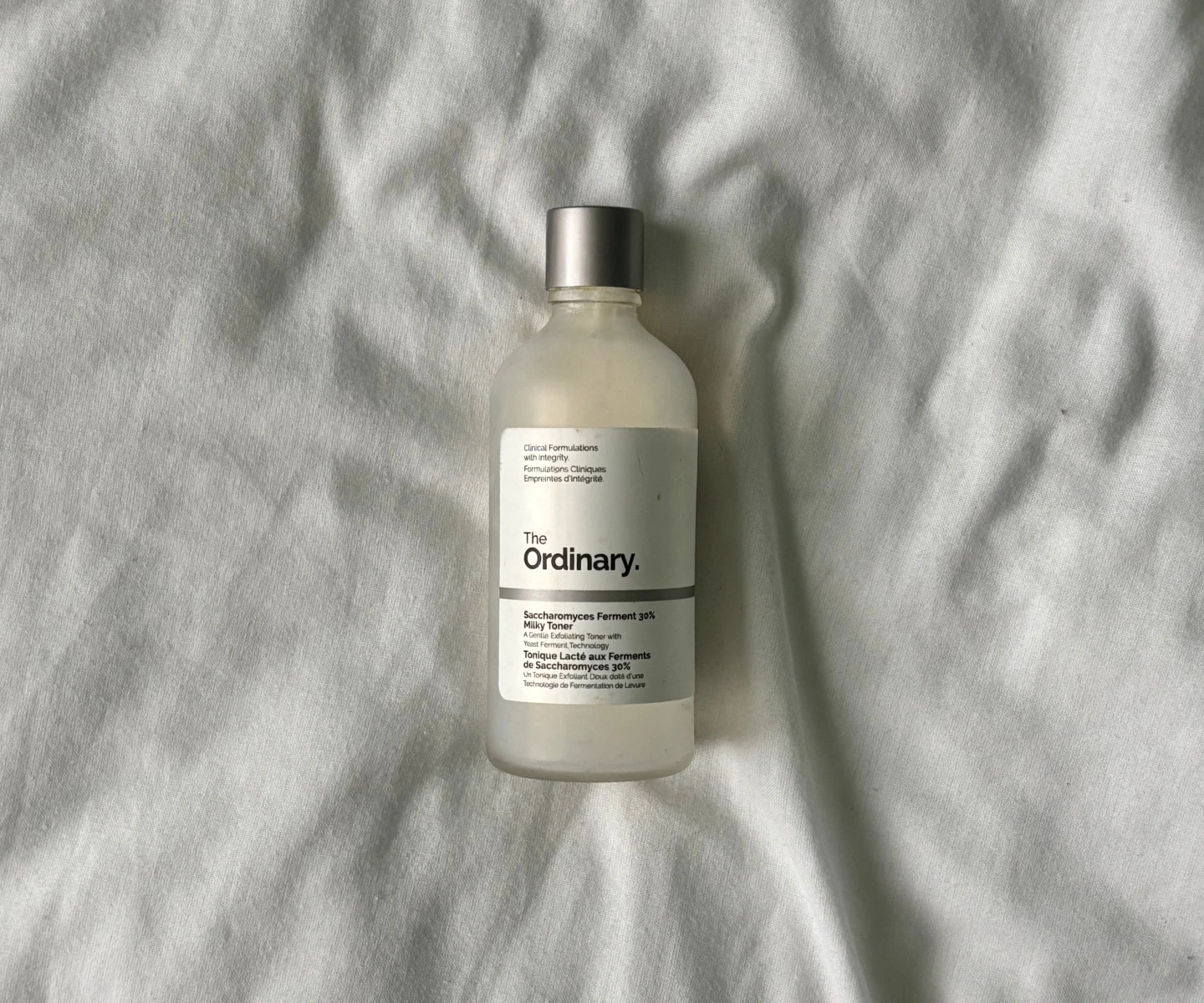
Shop the top hydrating toners I rate below:
- The Ordinary Saccharomyces Ferment 30% Milky Toner, $24 - An alcohol-free brightening and smoothing toner powered by ferment filtrate.
- The Breakout Hack Rebound Skin Milk Activated Cica Toner, $29.95 - A hydrating milky toner for skin in distress, with Cica Madecassoside, Bisabolol, Ginger Root Extract, Ceramides and D-Panthenol.
- Laneige Cream Skin Cerapeptide Toner and Moisturizer, $24 - A cult, lightweight toner-moisturiser hybrid that strengthens the skin barrier and deeply hydrates.
- TirTir Milk Skin Toner, $48 - A skin-brightening and hydrating toner, with 2% niacinamide for a clear, even complexion.
Catch up on more of Sarah's Beauty IQ articles below: