Post-acne Marks and Scarring: The Differences as Well as Ingredients and Skincare to Use

Yads Cauchi is a Dermal Clinician, Nutritionist (BHSc, MSc) and Beauty Journalist. She's also a mum of four. Evidence based skin health and nutrition are her thing and she works from her own skin clinic based in Canberra - you can find her there, or on Instagram and TikTok @yadscauchiskin.
Get the right fix for post-acne marks by identifying whether you have post-inflammatory erythema (PIE), post-inflammatory hyperpigmentation (PIH) or textural scarring. You will learn how to tell them apart, which active ingredients and SPF choices help fade redness or dark spots, and when clinic treatments are needed.
Top Insights From This Guide
- For PIE use 2 to 5% niacinamide and calming actives such as Centella; time often fades it.
- Azelaic acid reduces redness but higher strengths are Pharmacy Medicine (Schedule 2) in Australia.
- For PIH wear broad spectrum SPF daily and layer a tinted SPF with iron oxides.
- Add lactic or glycolic acid, plus pigment blockers like tranexamic acid, alpha arbutin and vitamin C or A.
- Textural scarring needs clinical treatments such as microneedling or lasers and often takes 6 months - 1 year and a half.
Post-acne scarring and marks including post-inflammatory erythema (PIE) and post-inflammatory hyperpigmentation (PIH) are all skin concerns that can happen following acne.
However, they are all quite different and a different approach is needed for each.
Which is why it’s important to determine what type of acne scar/mark you have first (and ensure your acne has been treated) before jumping into skincare and treatments - and as a Dermal Therapist, I’m here to help.
So let’s start by figuring out whether your scarring is actually a texture-based issue or a tonal-based issue i.e. Are you dealing with dark spots and/or erythema (redness)... or both?
Let’s go through each below.
Post-inflammatory erythema (PIE).
PIE can appear red, pink and sometimes even purple on the skin.
It happens after acne breakouts when tiny blood vessels in the skin stay dilated, causing redness. It’s very common and it is probably the easiest to get rid of/does fade on its own.
So time is a very important factor when treating post-inflammatory erythema!
Skincare:
Adding a niacinamide - between 2-5% into your routine is great for helping to fade PIE, as is using calming ingredients such as Centella Asiatica which is great for soothing inflammation, or azelaic acid as this too reduces inflammation and improves redness.
(However: due to Australia’s regulations azelaic acid is currently classified as a Pharmacy Medicine (Schedule 2), meaning higher concentration products require pharmacist supervision and are not available over the counter - and I’m pretty sure the regulations around this ingredient will be getting stricter later in 2024. Just FYI.)
The best products for post-inflammatory erythema:
- La Roche-Posay Toleriane Sensitive Riche Prebiotic Moisturiser for Dry Skin - contains niacinamide but is also a fave for calming the skin.
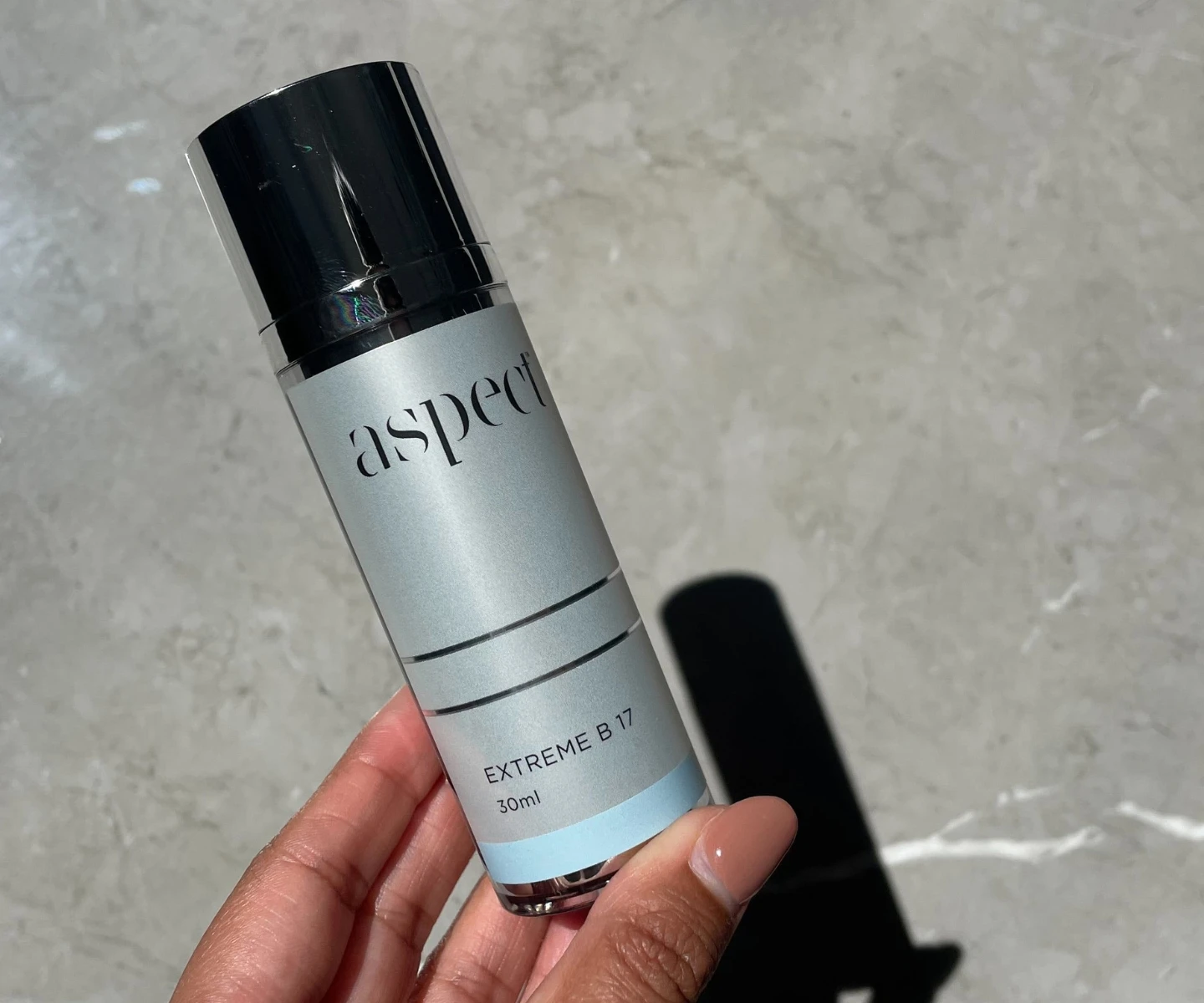
- Aspect Extreme B 17 - best for an oilier/combo skin. Viviology Niacinamide + HA - best for dry/dehydrated skin.
- SkinCeuticals Metacell Renewal B3 Emulsion - super hydrating/barrier-supporting B-based emulsion.
Post-inflammatory hyperpigmentation (PIH).
PIH is a temporary or permanent darkening of the skin that occurs after inflammation (like acne) or injury.
The inflammation causes an overproduction of melanin in the epidermis and it tends to be more common in people with darker skin tones.
It can take a little longer to heal and manage than PIE, so give it time.
Skincare:
Sunscreen is non-negotiable, but also evidence proves tinted sunscreens with iron oxides are beneficial too - so layer that on top!
Exfoliating regularly is important to help with skin cell turnover so add lactic or glycolic acid into your routine, depending on your skin type.
Make sure you include some pigment-blocking ingredients in your routine like alpha arbutin and/or kojic acid/tranexamic acid, alongside ingredients like ascorbic acid which can help minimise how much pigmentation is formed.
Vitamin A is also beneficial alongside your pigment blocker.
And if your PIH is really bothering you, chatting to a doctor or dermatologist can help as there are great prescription topicals that can be beneficial when needed.
The best products for post-inflammatory hyperpigmentation:
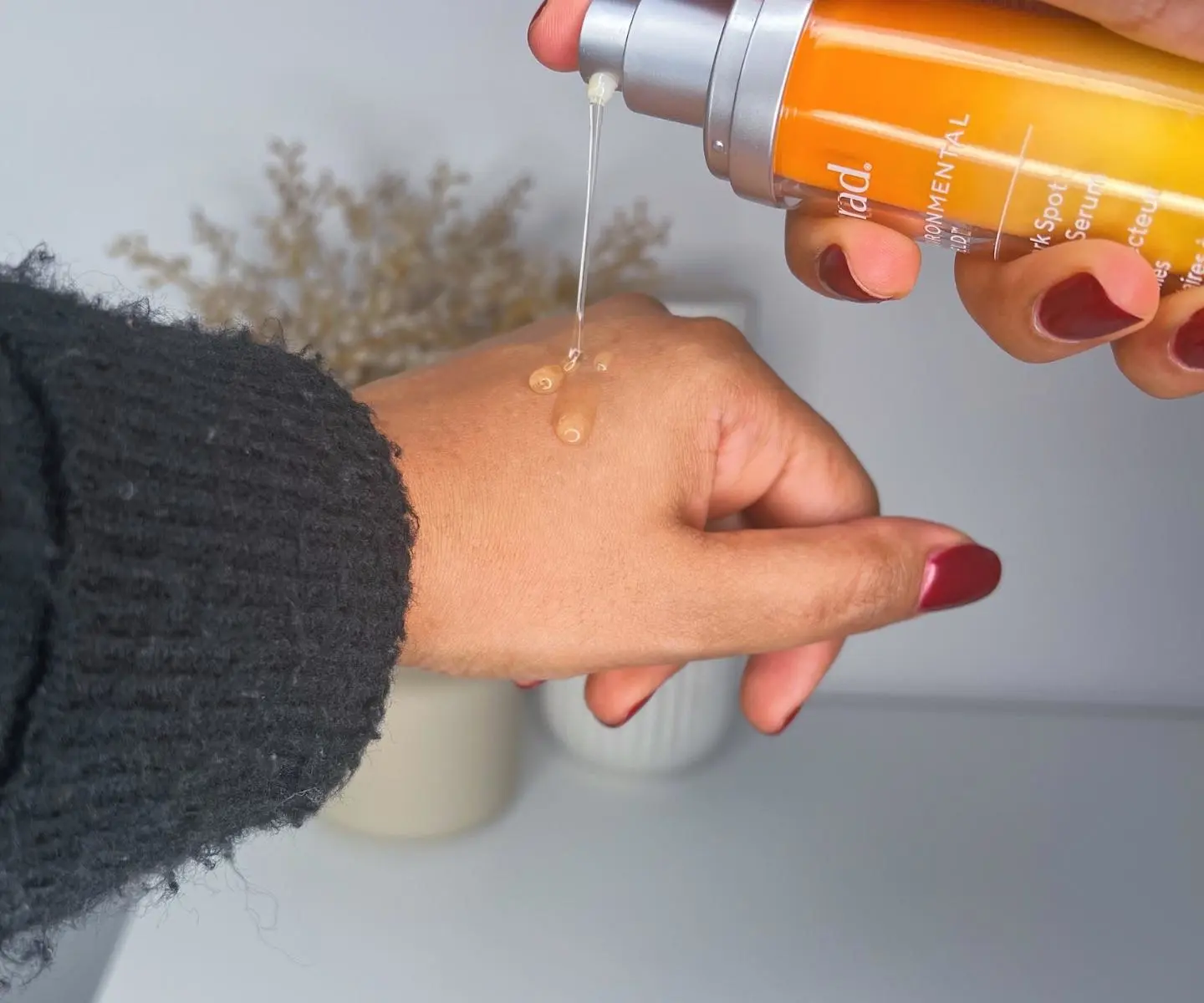
- Murad Rapid Dark Spot Correcting Serum - pigment blocker with tranexamic and glycolic acid.
- PCA Skin Pigment Gel Pro 29ml - pigment blocker with hexylresorcinol, tranexamic acid, licorice root.
- Ultra Violette Daydream Screen SPF50 Tinted Veil - popular tinted SPF with iron oxides! Layer on top of any broad-spectrum SPF.
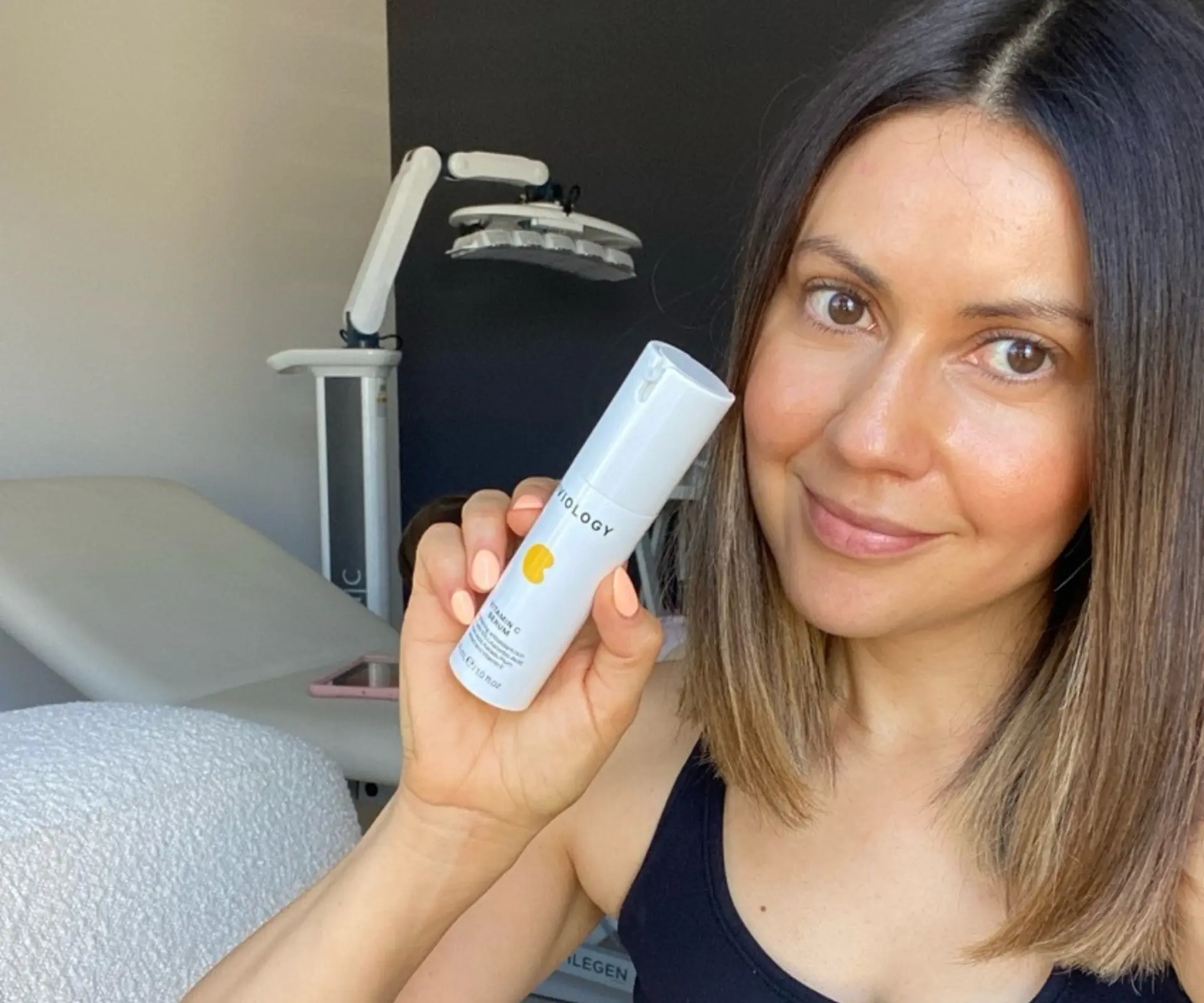
- Viviology Vitamin C Serum 30mL - ascorbic acid based, budget-friendly.
- SkinCeuticals Retinol 0.5 30mL - this is a spicy vitamin A - start slowly!
Important note: Sunscreen is only one part of sun protection so wear protective clothing and seek shade. Avoid prolonged sun exposure. Reapply every 2 hours and after swimming, towelling and perspiring in accordance with directions.
Textural Scarring.
Scars happen when your skin is undergoing a healing process and to be honest, textural scarring can look very different on every skin.
Some scars are flat, some pop up and some can tighten as the skin heals.
You see, when there’s a wound that only affects the epidermis (the top layer of the skin), that scar will heal seamlessly and you probably won’t see any long-term effects on the skin, but when the wound goes into the dermal layer?
That’s when the wound healing process gets a little more complicated and you’re likely to end up with a scar.
Also FYI treating scars in-clinic can take anywhere between 6 months - 1 year and a half.
You also can’t address textural scarring with skincare, which is why getting professional advice is key because there are clinical treatments, including microneedling, lasers and even deep chemical peels that can be beneficial.
Tune into the below video for more on microneedling and the treatment's benefits.
However, here’s a little info on a bunch of different types of scars FYI:
Flat scars (cicatrix) - smooth, level scars that form when the deeper layers of the skin heal without forming raised tissue. They are the most common type of scar and typically fade over time, becoming less noticeable.
Depressed scars (atrophic) - the most common types of texture and acne scars. They come about when your skin doesn’t make enough collagen once it’s healing, that inflammatory lesion can leave a depression on your skin. And they can look like:
Ice pick scars - which literally look like someone has used an ice pick on your skin (hence the name) and it has a deep V shape to it. If you have had severe cystic acne you might have these and they can be challenging to treat.
Box car scars - again these pop up because your body doesn’t produce enough collagen during the healing process and can look like a round or oval depression.
Rolling scars - are the scars that tend to have a wavy or uneven appearance. As we get older and our skin gets looser we may start to notice these a little more too.
Raised scars (hypertrophic) - raised, thick, and red scars that form when the body produces too much collagen during the healing process. They are typically limited to the original wound site and don’t spread beyond it, unlike keloid scars.
Keloid scars - raised, red, and often itchy scars that form at the site of a healed wound. They are larger than the original wound and can continue to grow over time. They’re not harmful, but they can bother some people.
Final Thoughts.
Anyway, I hope this info was helpful, but if your post-acne scarring and/or marks bother you, it is always best to get professional advice to first determine what type they are! And the best way to treat them moving forward.
Want to hear more from Dermal Therapist, Yads? Here are some of her recent Beauty IQ articles: