A Skin Therapist on the Biggest Misconceptions of Sun Safety

Sadaf Razi is Adore Beauty's Senior Beauty Editor.
She's a former fashion editor (who worked at various glossy mags) and stylist-turned digital beauty and lifestyle writer. She has been in the lifestyle/media industry for over 10 years and her work has also been featured on international covers like Elle France and Vanity Fair Mexico.
Some of her fave Adore Beauty products include Cicaplast B5, CeraVe Cleansing Oil and Lancôme Renergie Triple Serum.
Key Takeaways From This Article
- Wear SPF daily, even on cloudy days, to reduce ageing, pigment and UV damage.
- Reapply sunscreen at least every two hours and always after swimming or heavy sweat.
- If using chemical sunscreens, wait 20 minutes before entering the water.
- People with darker skin still need sunscreen; choose a physical SPF to lessen heat and protect.
- Book regular mole maps or specialist skin checks since cancers can appear in hidden spots.
With the alarming rise of the “tan lines” trend infiltrating our TikTok feeds, we’re left wondering: WHY are we still peddling and romanticising such a dangerous practice?
The idea that tanning your skin under the sun is harmless isn’t just outdated—it’s pretty reckless.
As skin therapist and Beauty IQ Expert host Tegan Mac rightly points out, “If you're getting a tan, it’s your skin panicking and trying to do everything it can to create a barrier to protect you.”
In case you missed the very important memo, Australia has some of the highest skin cancer rates in the world.
Need a wake-up call? Start by brushing up on some facts here.
On a recent episode of Beauty IQ Expert, Tegan and I debunked some of the biggest myths about sunscreen and sun safety.
For example, does sunscreen only matter on sunny days? Does one application suffice for all day wear?
The answers might surprise you…
If you’re already a sun-safe king or queen - we applaud you.
But if you’re still navigating the world of sun safety and want to make sure you’re doing all the right things and not doing all the wrong ones when it comes to UV protection, read on for the six common misconceptions keeping your skin in harm’s way.
Your future self will thank you.
1. Darker Skin Doesn’t Need Sunscreen.
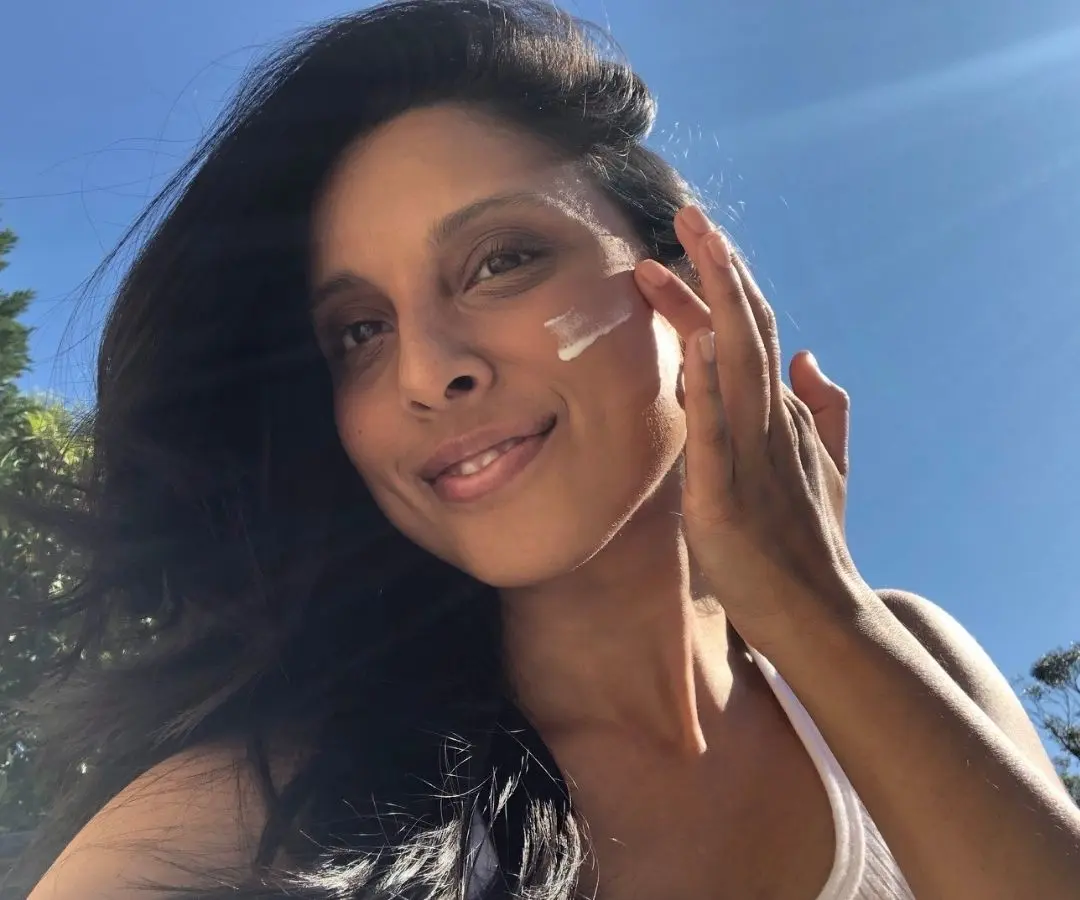
As a POC (person of colour) myself, I've been guilty of this.
There’s this misconception that because we produce more melanin, that we’re more protected or or we don't really need to wear sunscreen - this is false.
For any POC’s reading this, according to Chroma Dermatology in Melbourne, ‘People with skin of colour, DO get skin cancer.'
They found studies that have shown that while skin cancer is less common in those with skin of colour, it’s often more advanced and more aggressive by the time it’s diagnosed.
According to molemap.net.au, research shows that in people of colour, skin cancers are often diagnosed at a more advanced stage which makes treatment more difficult.
Tegan adds that a typically “red sunburn” may not present on darker skin, but it can still get sunburnt.
And darker skins do absorb a lot of heat, so even for comfort levels, applying a physical sunscreen that reflects the light, can make darker skins feel much more comfortable because you don't have that absorption of heat in your skin.
So my POC friends, lets not ever let it get to that stage.
And if the dreaded white cast is putting you off, I’ve done a whole Beauty IQ article on four of the best sunscreens for darker skin here.
Otherwise here's a shortcut:
2. Skin Cancer Will Only Appear In Exposed Areas.
Tegan recalls a client who mentioned her surfer husband got a skin cancer behind his knee even though he always wears a bodysuit and that area is never exposed to the sun.
This is a common misconception.
A melanoma can present under your toenail even when you're wearing shoes all the time.
“Just be aware it’s not always in the most obvious spots and some spots can be really hard to detect, might be on your lower back, might be at the nape of your neck.” Says Tegan.
“So getting a skin check where skin experts can look at all the hard-to-reach places and make sure everything looks safe is the easiest way if they do find something to treat and get on it early than just leaving it if you're not sure.”
Did you know one of our most popular skincare brands La Roche-Posay partners with non-for-profit charity Skin Check Champions to improve access and awareness for the early detection of skin cancer? You can read more here.
La Roche-Posay also have a whole range of sunscreens for every type of skin and preference...
- For dry skin try: La Roche-Posay Anthelios Invisible Fluid Facial Sunscreen SPF 50+
- For oily skin try: La Roche-Posay Anthelios XL Anti-Shine Dry Touch Facial Sunscreen SPF50+
- For all skin types including sensitive try: La Roche-Posay Anthelios KA+ SPF 50+ 50ml
3. You Only Need to Wear Sunscreen When It’s Sunny.
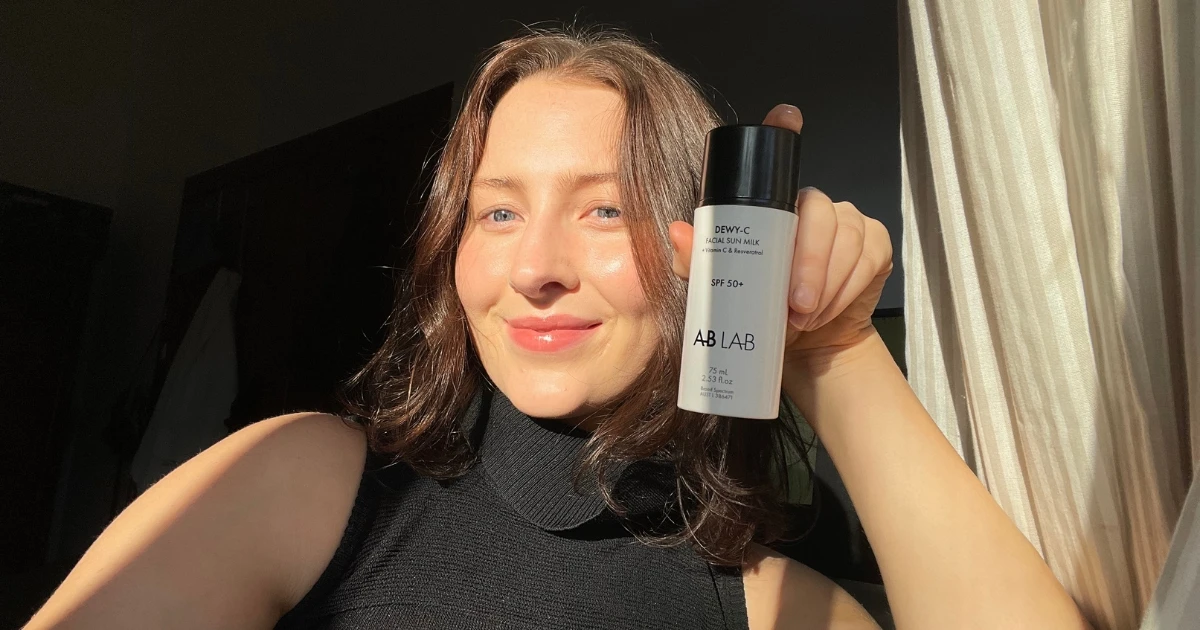
“Often, people associate sunburn with heat. It doesn't have to be a hot day for the UV to be present.” Says Tegan.
And we know that UV rays aren’t just causing us grief in the burning-our-skin department, they’re also here to age you, whether it's sunny or not.
UV is what destroys our collagen, so sunscreen is the most powerful age management tool at your disposal (even more than retinol).
Says Tegan, “If you’re concerned with pigment, rosacea, acne, ageing etc. all of that is affected by UV."
Tegan personally prefers to wear her sunscreen every day as part of her standard skincare routine (excellent idea!).
So she suggests doing the same and making sunscreen application a part of your daily non-negotiable AM skincare regimen too.
“That way we don’t have to think about it or what the UV is outside, constantly checking because you’ve already just got your sunscreen on.”
Want to double your antioxidant protection? Layer a vitamin C serum under your SPF!
For a budget-friendly vitamin C serum try: BOOST LAB Vitamin C Brightening Serum
For a bougie (and one of the most incredible serums you'll ever use) try: SkinCeuticals C E Ferulic Serum - 30ml
Want a skincare product that further helps with pigment control?
Try:
4. Not Getting Regular Skin Checks.

Why are skin checks so important and where should you go for a skin check?
What happens in a skin check?
If you’ve been wondering about all these questions and it's what’s making you procrastinate on booking that initial appointment, Tegan shares her recent experience to put your mind at ease...
“There's nothing scary, it's very straight forward."
“You go in, you might put a hospital like robe on, if you get a mole map, they’ll take photos of any pigmented lesions whether they’re brown or red that they just might want to monitor. That way when you go back in two years, they compare the photo, and see if there's any changes to the colour, shape of it etc.”
Changes in freckles and moles can also be very slow and therefore not as easily detectable Tegan stresses.
How to book a skin check in Australia?
“Google Mole Map near me”.
A dedicated skin clinic is your best option rather than your normal GP (or perhaps your GP can recommend one).
To get more of an idea on what to expect at a skin check including cost (and how much Tegan paid for hers) listen to the Misconceptions Of Sun Safety episode below:
5. One Application of Sunscreen Lasts All Day.
How often do we need to reapply our sunscreen?
Might sound obvious but Tegan suggests checking the back of our sunscreen bottles as they often have it printed there.
To be on the extra sun safe side, reapplying your sunscreen every two hours is your best bet - especially if you have fair skin.
And if you’re swimming/frolicking in the ocean, make sure you are reapplying your sunscreen every time you come out of the water!
Tegan advises that if you’re using a chemical sunscreen, wait 20 minutes before jumping back into the water as it needs time to absorb into skin.
How to apply sunscreen over makeup?
This is where sunscreen sprays can be handy and while they definitely don’t offer the same or correct amount of coverage, if it’s going to prompt you to reapply rather than not reapplying at all, then add one to cart.
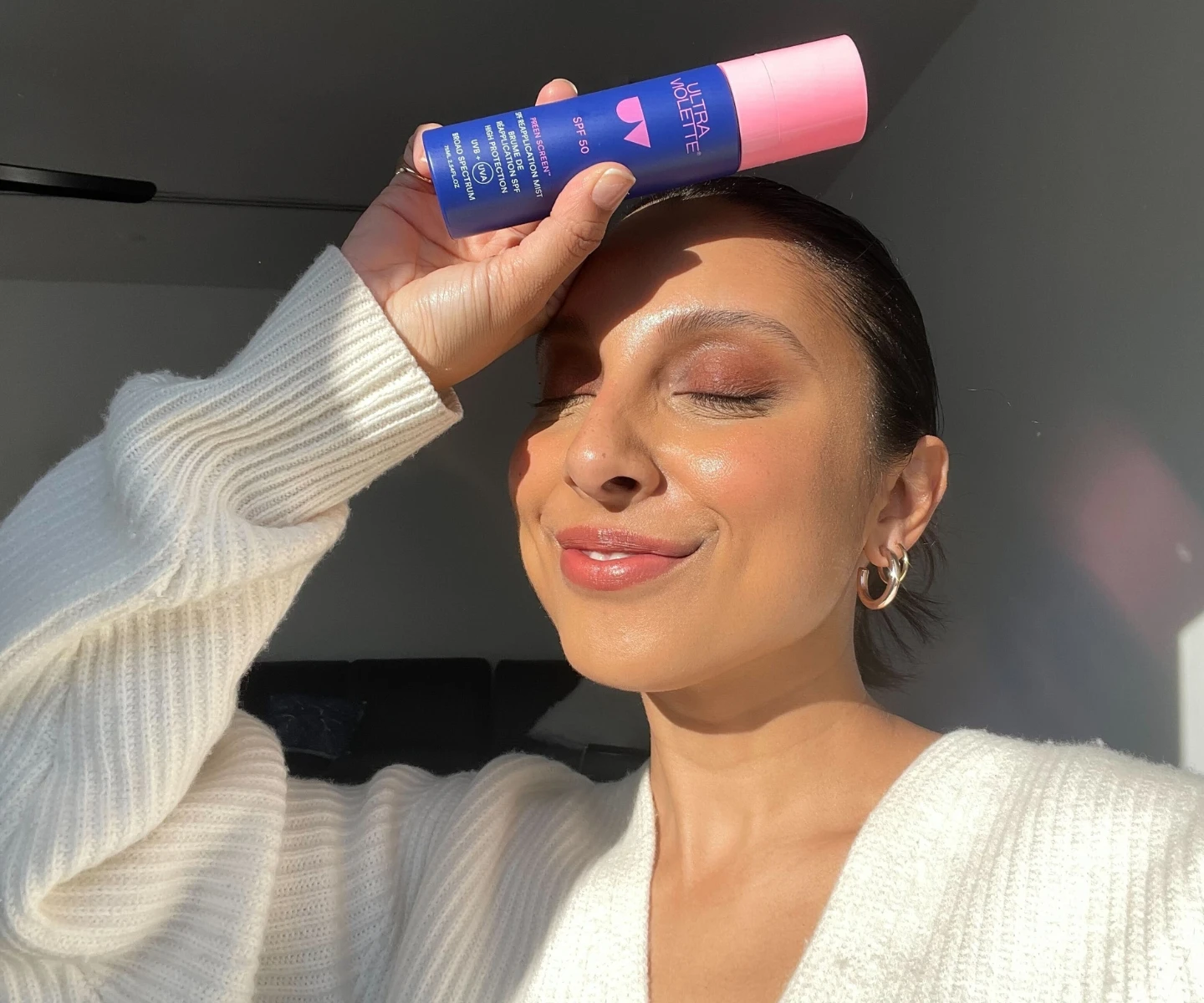
I actually like to throw Ultra Violette Preen Screen SPF50 Reapplication Mist SKINSCREEN 75ml in my handbag and take it with me wherever I go, especially in summer because it gets darker later so even if I’m going to a nice dinner, if I’ve been outside, I like to give myself a little spritz.
Makeup is untouched AND refreshed - win!
6. Tanning Means You're Safe From Burning.
“I don't burn, I tan” - You're still being exposed to UVA! Says Tegan.
"UVB burns you, but you're still getting the UVA, you're still exposing yourself to the ageing effects of the sun, at the risk of skin cancer."
She adds, “If you're getting a tan, it’s your skin panicking and trying to do everything it can to create a barrier to protect you.”
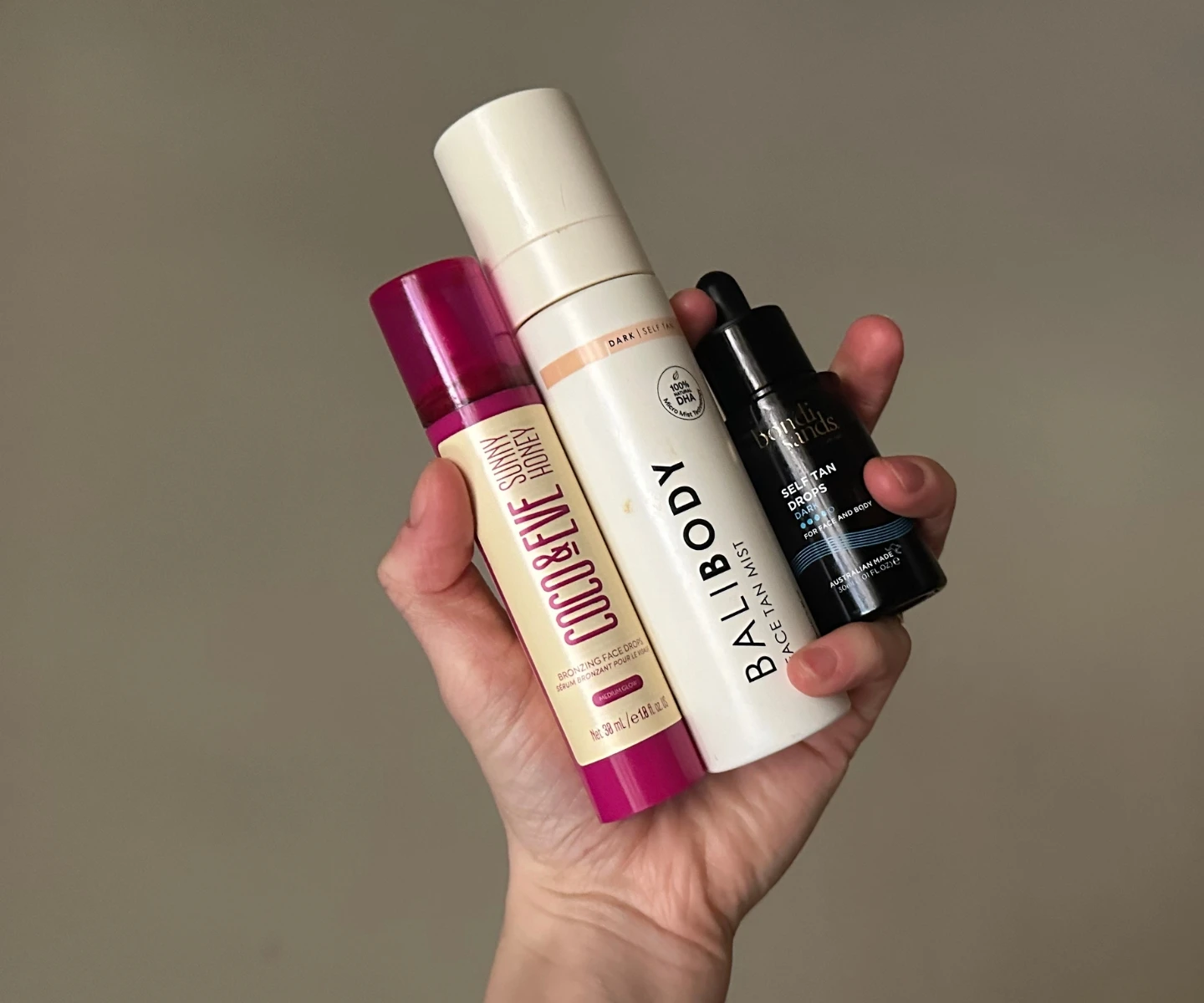
Luckily for you friends, we have plethora of excellent fake tanning products on our site and we've even tested out a bunch of great and affordable fake tans here.
Finally...
Now, no one has en excuse not be sun safe this summer (and well, all year round!).
As Tegan says, it’s the most inexpensive way to keep your skin beautiful!
“Being sun safe is cool” - Tegan Mac.
Want to find your perfect sunscreen match? Lucky for you Adore Beauty has plenty! Read these next...