I’m a Dermal Therapist & Here Are 6 Skincare Myths You Should Stop Believing ASAP

Yads Cauchi is a Dermal Clinician, Nutritionist (BHSc, MSc) and Beauty Journalist. She's also a mum of four. Evidence based skin health and nutrition are her thing and she works from her own skin clinic based in Canberra - you can find her there, or on Instagram and TikTok @yadscauchiskin.
Top Insights From This Guide
- Start with lower active concentrations and only increase if your skin shows no irritation.
- Don't assume natural equals safer; check formulations, potential irritants and shelf life.
- Foaming cleansers can be gentle; choose one suited to oily or acne-prone skin and test.
- Treat adult acne seriously; review hormones, stress, lifestyle and product compatibility.
- Stop using products that burn; slight tingle is normal but burning signals damaging irritation.

The road to a healthy, glowing complexion is paved with confusion.
Especially if you're attempting to navigate your way through alone.
The street signs are around the wrong way. Google Maps keeps taking you down random side streets. Everyone's yelling out directions on what they think is the 'right' thing to do.
SO MANY PRODUCTS. SO MUCH CONFUSION.
And don't even talk to me about all the contradictory beauty marketing that gets thrown our way.
If you find skin care confusing, you're not alone.
Honestly, it’s one of the most common issues I see in my work as a dermal therapist in clinic.
Unfortunately, I'm yet to master how to physically teleport into your home to assess your individual skin concerns. (Side note, virtual online skin consults ARE amazing!)
What I can do, though, is bust six of the most common skincare misconceptions I’m always talking to my clients about in the treatment room.
Ready for some serious skincare truth bombs? Keep scrolling.
But first, have you heard the news?! Our new Bite-Sized Beauty podcast mini series Dermal Diaries is live! Get it in your ears below...
1. Stronger Products = Faster/Better Results.
The myth:
A lot of people think using products with ingredients at a higher concentration will give them a better or faster result.
It's not your fault - so many brands these days market strong active skincare products as if they're better, too.
Think 'super strength' retinol serums or 'extreme' acid peels.
The truth:
You don’t need to buy the highest percentage of an active ingredient to fix your skincare concern.
Same goes if a product is working well and you're searching for ways to up the ante when there’s no need.
For many people, doing this will only exacerbate issues further. If you have sensitised skin, or a sensitive skin condition like rosacea, then you need to tread with caution.
The best way to decipher whether a product is right for your skin is via consultation with a dermal therapist, but everyone can monitor their own skin at home.
Beauty doesn't need to be painful. Listen to your skin. If you move up to a higher strength product and you start to get irritated, pull back.
2. Natural Skincare Is Better for Sensitive Skin.
The myth:
You might've heard someone say they only use 'natural products' or ingredients that are 'as close to nature as possible' on their sensitive skin...
Your face, your choice. But it's a common misconception that natural = safer or better.
Chemistry PhD and beauty myth buster Dr Michelle Wong from Lab Muffin Beauty Science talked about it in more detail in the sensitive skin episode of the Skincare school podcast, too.
(You can listen below around the 8:24 mark.)
The truth:
There is zero scientific validity to support the belief that natural skincare is better for sensitive skin.
There is a lot of confusing marketing, though.
Not only is the term “natural” not regulated, but it doesn’t really mean a lot either.
Case in point, even if an ingredient was made by Mother Earth herself, doesn’t mean it’d automatically be great for the skin.
Natural skincare tends to come with some variables, and a shorter shelf life. Little things like this can cause skin issues - something to be mindful of.
3. Foaming Cleansers Are Bad for Your Skin.
The myth:
You can thank many old-school foaming cleansers for this outdated myth.
A lot of foaming formulations used to be harsh and stripping. I most definitely used them as a teenager. You know the ones.
The truth:
Foaming cleansers aren't 'bad' for skin.
Will they suit everyone? No, but that's OK because we all have different skin types with different needs.
Now, a lot of your favourite, trustworthy brands make cleansers that deliver that foaming sensation and good cleansing ability, sans irritation. Plus, many are formulated with soothing and hydrating ingredients.
Cosmedix Clarify Salicylic Acid Foaming Cleanser is an example of an effective yet gentle foaming cleanser. It's a favourite of mine - very gentle, slightly foaming, great for oily and acne-prone skin.
You can learn more about how to pick the best cleanser for your skin type in our cleansing 101 YouTube video below.
4. Once You’re Over 30, You’ll No Longer Get Acne.
The myth:
Remember when they said you'll grow out of your pimples? That acne was for smelly teens?
They obviously hadn't heard about adult acne. Or pregnancy acne. LOL.
The truth:
Honestly, acne can happen at any time. Age does not make us immune to breakouts.
Even women in their 50s can get acne - menopause is a big life stage that leads to fluctuating hormonal levels and major skin changes.
And we can’t forget all the other contributing factors that also lead to acne, like stress, food, lifestyle and using the wrong skin care.
5. Wearing Too Much Makeup Causes Acne.
The myth:
Staying on the topic of acne, you might've heard wearing makeup or choosing thicker, full coverage foundations causes acne. This isn’t really true.
The truth:
There’s no research to state that makeup can lead to acne.
I love makeup. Makeup is great! But you know what isn't great and might encourage breakouts?
Not removing your makeup properly at the end of the day.
You can read more about how to cleanse properly in my cleansing mistakes article, but Bioderma Sensibio H2O Soothing Micellar Water Cleanser 500ml and Medik8 Lipid-Balance Cleansing Oil are two of my favourite cleansers for removing makeup thoroughly.
Additionally, every skin type is different, so some people might find some ingredients in makeup irritating.
Irritation could result in random skin reactions or persistent issues like inflammation, flare ups and breakouts.
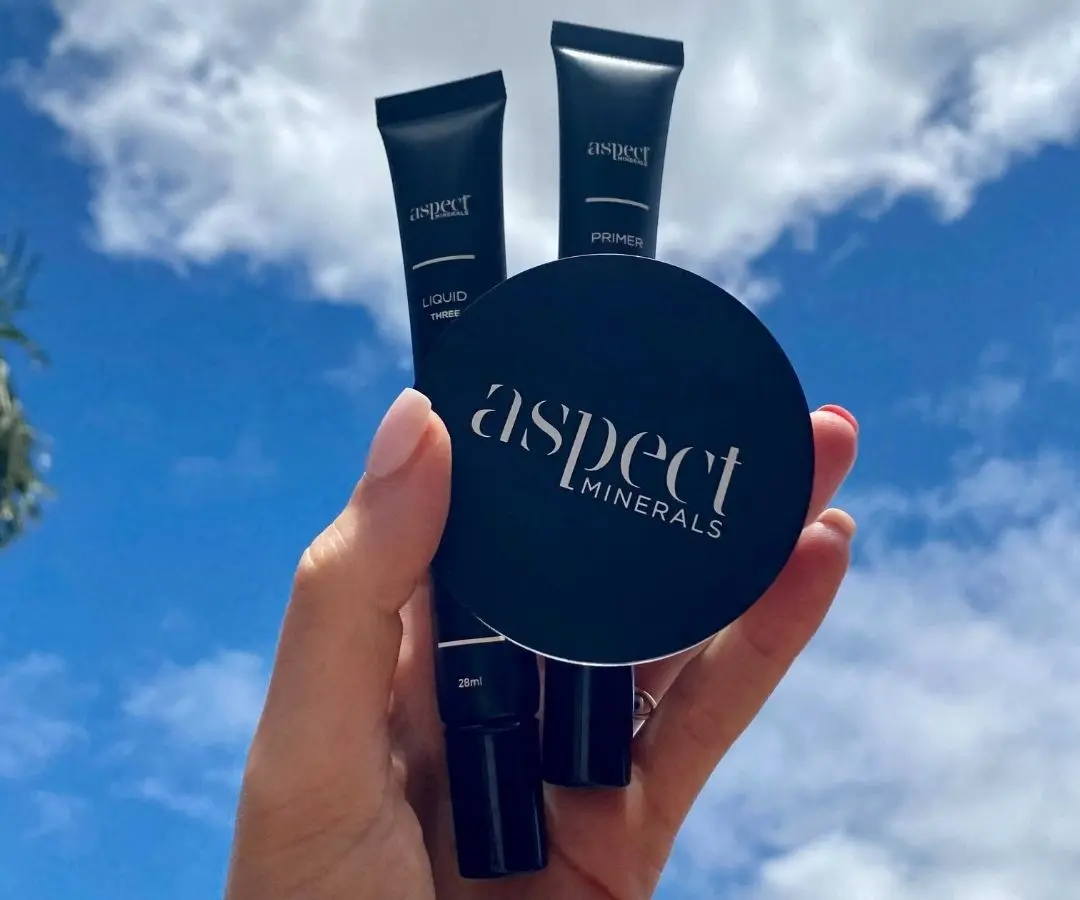
Mineral makeup can be a good option for sensitive or acne-prone skin types, or for wearing after an in-clinic skin treatment, but it's not mandatory for clear skin.
Want to experiment with mineral makeup? Aspect Minerals Liquid delivers great coverage and isn't cakey at all. It makes my skin look like my skin, but better.
Adore's Social & Content Coordinator and in-house makeup artist Megan is a mineral makeup sceptic, but she rates the Aspect Minerals Powder - you can read her full Aspect Minerals review here.
6. If It Burns, It Means It’s Working.
The myth:
Last but not least, let's address the whole 'burning your face off' trend that feeds into the beauty is pain narrative.
The truth:
A product doesn’t need to burn or hurt you to mean it’s working.
Of course, some exfoliants and resurfacing treatments may feel a tiny bit tingly on the skin, but this should subside.
Products shouldn’t feel uncomfortable to use. That's your skin trying to tell you the product isn't right for you.
In fact, an unwanted burning, stinging sensation may cause irritation, which will result in inflammation.
And inflammation in any capacity inhibits the skin’s ability to heal and will only damage your skin further.
Mic drop.
Want to read more of Yads' expert skincare articles? Check out more below: