Why Your Oily Skin Can Still Be Dehydrated

Yads Cauchi is a Dermal Clinician, Nutritionist (BHSc, MSc) and Beauty Journalist. She's also a mum of four. Evidence based skin health and nutrition are her thing and she works from her own skin clinic based in Canberra - you can find her there, or on Instagram and TikTok @yadscauchiskin.
The Essential Points to Remember
- Swap foaming cleansers for a low foam or gel cleanser such as CeraVe Hydrating Cream To Foam.
- Apply humectants like glycerin or hyaluronic acid to slightly damp skin, often once daily.
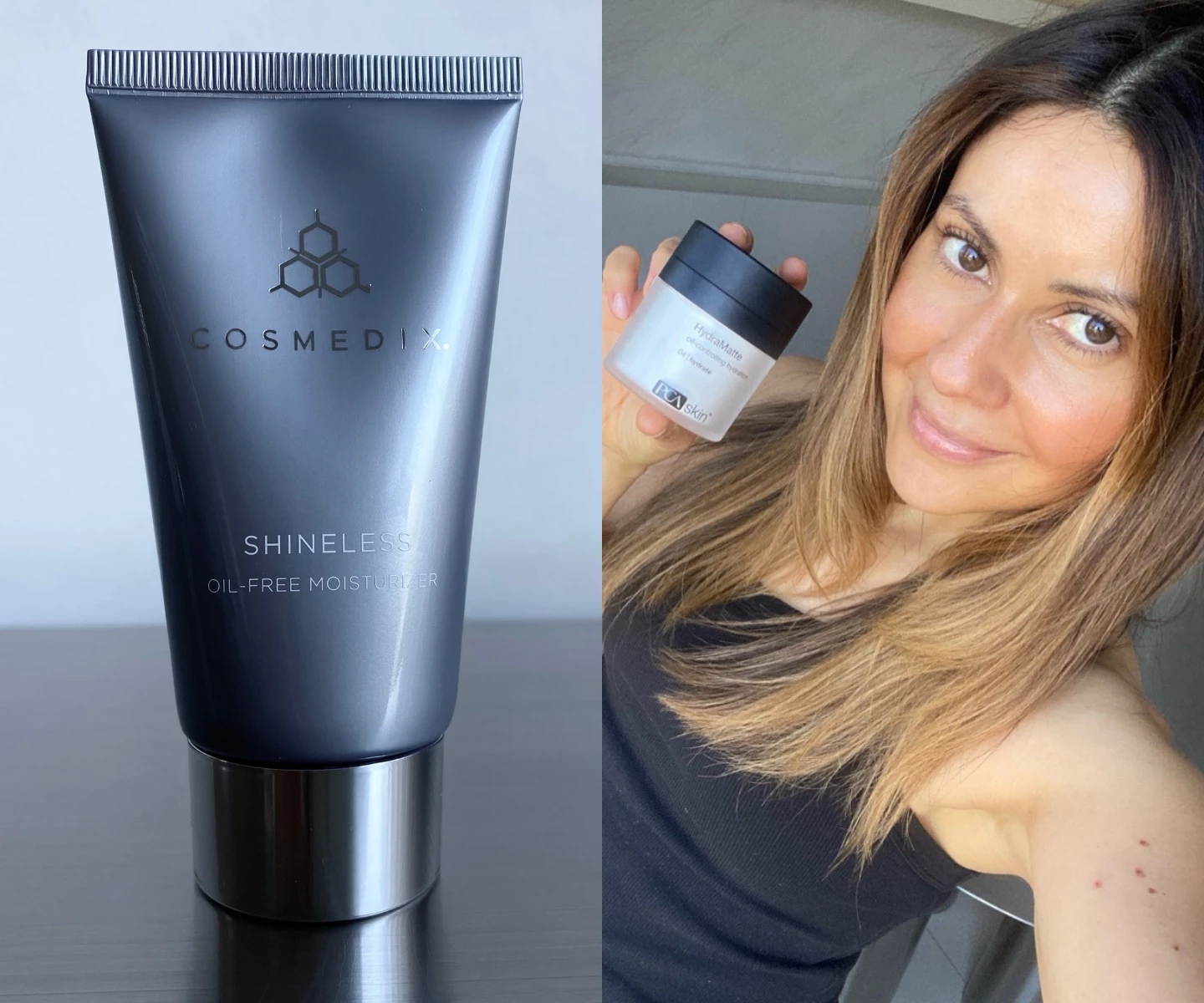
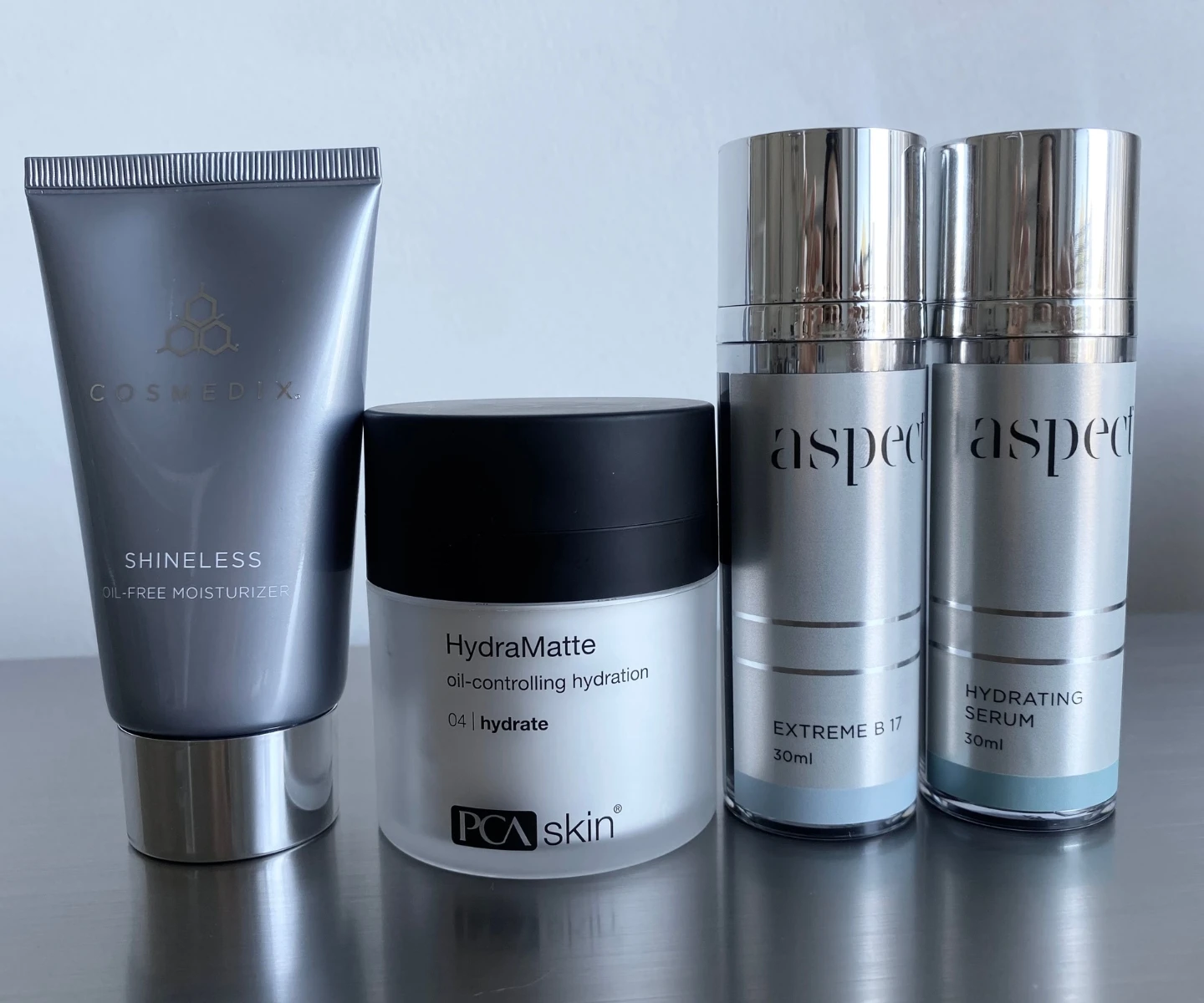
- Use a lightweight barrier support moisturiser such as Cosmedix Shineless or PCA Skin Hydramatte.
- Use actives sparingly, targeted acids and niacinamide help balance oil without stripping.
- Protect with daily SPF to prevent long term damage, try Ultraviolette Fave Fluid.
Fixing oily yet dehydrated skin breaks the strip and rebound cycle and helps your skin hold water so oil production settles, makeup lasts longer and fine lines appear less visible after moisturising. Use the gentle cleansing, humectant, barrier and targeted active steps below to rebalance and support long term skin health.
If your skin is shiny by 10am, chances are you’ve been told you have oily skin. Which often makes people reach for anything that promises to mattify, strip or “control” the oil.
However, having oily skin doesn’t mean your skin is well hydrated either. In fact, one of the most common concerns I see in clinic is oily and dehydrated skin showing up together.
I.e., skin that’s producing plenty of oil, but still feels tight, looks dull, or somehow seems both greasy and thirsty at the same time.
And part of the problem is how many people with oily skin are treating their concerns, because those strong foaming cleansers, aggressive exfoliants, and “oil-free” routines designed to strip the skin can actually disrupt the skin barrier over time.
Meaning, if you’re dehydrated, then too many of these types of products are going to make things worse.
Oily vs Dehydrated, They’re Not the Same Thing
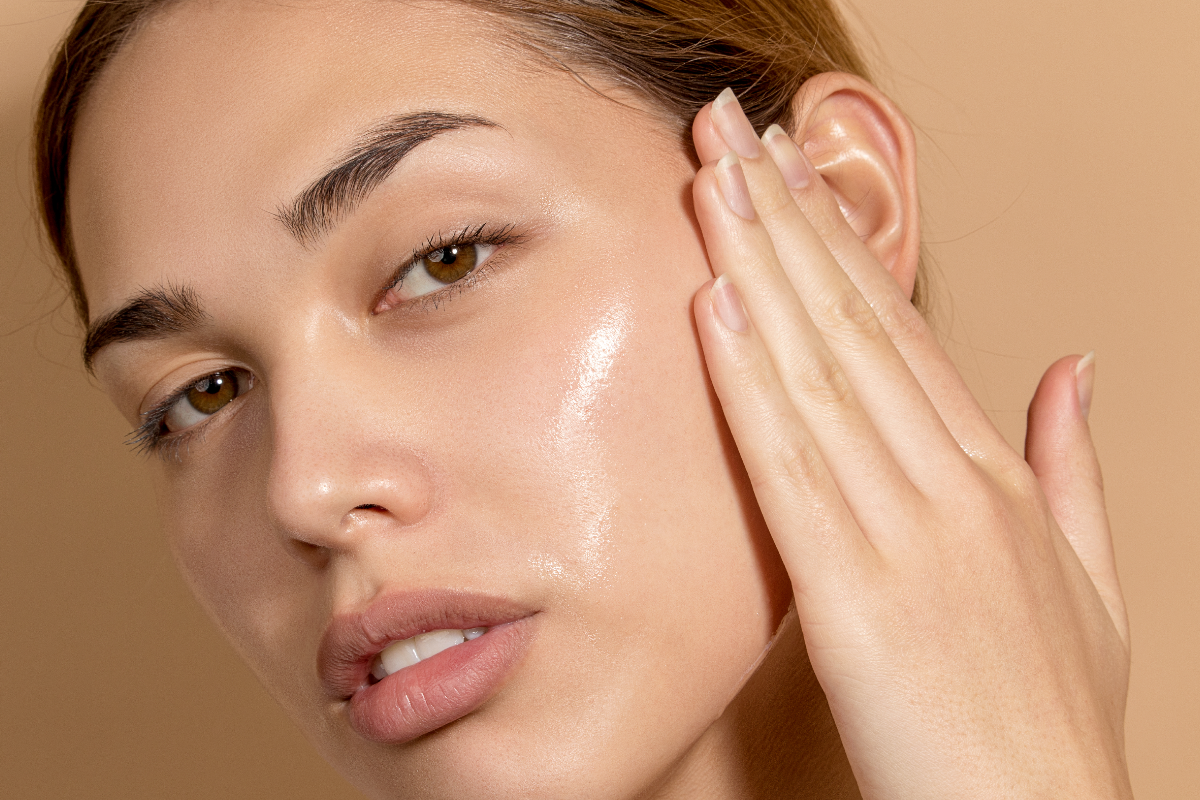
You see, oil (sebum production) comes from sebaceous glands (determined by skin type/genetics), while hydration depends on the water content in the outer layer of the skin (the stratum corneum) and how well the barrier holds that water in.
When that barrier is compromised, often from over-cleansing or using products that aren’t right for your skin type, the skin loses water from the upper layers of the skin more easily.
Meaning oil production continues, but hydration simultaneously drops, which will leave your skin both oily and dehydrated, therefore needing to be fixed.
The good thing, though, is that dehydration is often temporary.
Why Oily Skin Becomes Dehydrated
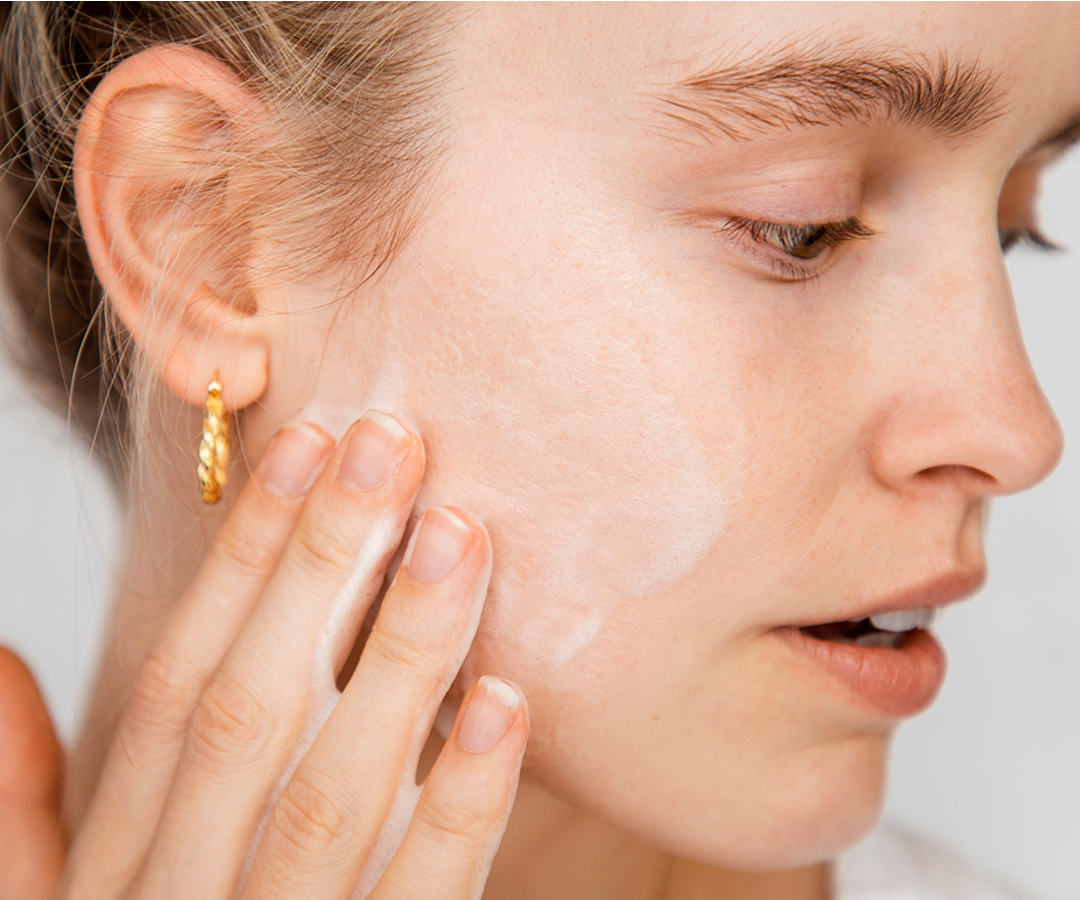
Again, over-cleansing, foaming or stripping cleansers, using exfoliating acids too frequently, skipping moisturiser because it feels “too heavy”, or relying on mattifying products every single day can lead to dehydrated skin while oil production continues.
Environment and internal factors can also play a role. Dry climates for example, can increase water loss from the skin, and things like stress can make things worse. The result is skin that’s producing oil, but still lacking water.
And this is where I often see the rebound cycle begin. An oily skin client strips their skin with strong cleansers or over-exfoliation; the skin feels tight and dehydrated, but instead of reducing oil, the oil production ramps up, and then the instinct is to cleanse or mattify even more.
The result? A loop where the skin becomes progressively oilier on the surface but increasingly dehydrated underneath and a client not really understanding why.
Signs Your Oily Skin Is Actually Dehydrated
Oily dehydrated skin symptoms...
If you’re reading this thinking, Hey, this kind of sounds like my skin, here are some common signs to look out for:
- Tightness after cleansing
- Oiliness + flakiness at the same time
- Makeup separating mid-day
- Fine lines that disappear after moisturising
- Skin feeling “shiny but dull".
How to Fix Oily but Dehydrated Skin & Oily Dehydrated Skin Products:
Now on to the fun part, how to fix it, but first things first… you need to pull back!
1. Cleanse gently (not aggressively)
Low-foam or gel cleanser that doesn’t leave skin squeaky.
Try: Cerave Hydrating Cream To Foam is a great option for normal/combo/oily/dehydrated skins.
2. Add water back in
Humectants like glycerin, hyaluronic acid, applied to slightly damp skin will help. You don’t need to do this x2 a day. Often x1 is fine. However, you will notice the difference with a good quality HA serum.
3. Support the barrier
Try a lightweight moisturiser with barrier-supportive ingredients.Again, every skin needs a moisturiser and not every moisturiser automatically clogs pores.
Try: Cosmedix Shineless oil free moisturiser, PCA skin hydramatte. Both won’t clog your pores, but will hydrate oily/dehydrated skin without feeling greasy or heavy.
4. Be strategic with actives
Strategic use of exfoliating acids, specifically for your skin type will be beneficial at both keeping oil under control and making sure your skin stays balanced! Actives such as niacinamide can also be beneficial here at controlling the oil production.
Try: Aspect extreme b 17
5. SPF daily
UV protection = long-term skin health.
Remember, skin likes balance. Strip it too aggressively and it rarely behaves. The key is finding the balance that works for you.
Want more expert skincare advice from Yads? Read these next: