How To Fix Your Skin Barrier (The Causes, Symptoms & Treatments)

Madison is Adore Beauty's Videographer. When she's not directing and editing skincare, haircare and makeup videos for the Adore Beauty YouTube channel, you'll find her rocking a bold eyeshadow look, usually with matching statement earrings.
If your skin suddenly burns, flakes or feels tight after products or sun, you likely have an impaired skin barrier — dermal clinician Tegan Mac recommends stopping actives, simplifying to very gentle products and giving skin time to heal. This article covers causes, symptoms, a one-month recovery plan, product picks and clinic options.
What You Need to Know
- Stop irritants and actives right away, use a basic routine for at least one month.
- Use a soap-free cream or milk cleanser like Cetaphil Gentle Skin Cleanser 236mL.
- Use soothing barrier creams like La Roche-Posay Cicaplast Baume B5+ 40ml.
- Wear sunscreen and reapply every 2 hours; try mineral options like Cetaphil Daily Defence SPF 50.
Read on for step-by-step recovery actions, when to pause serums, which gentle ingredients to reintroduce, and simple clinic options such as LED therapy or cooling sheet masks. Follow the timeline and prevention tips to reduce the risk of repeat barrier breakdowns.
Is your skin suddenly freaking out? You might have an impaired barrier!
Luckily, we brought in Tegan Mac – our fave dermal clinician and podcast host – to tell us all about the skin barrier. The video below has all the info you need, but I’ve written a step-by-step guide too.
What is a skin barrier?
The skin barrier is an outer layer that protects our skin from the environment.
If your skin barrier is healthy, you likely won't notice it. Skincare shouldn't cause much irritation and your skin will most likely be calm and hydrated.
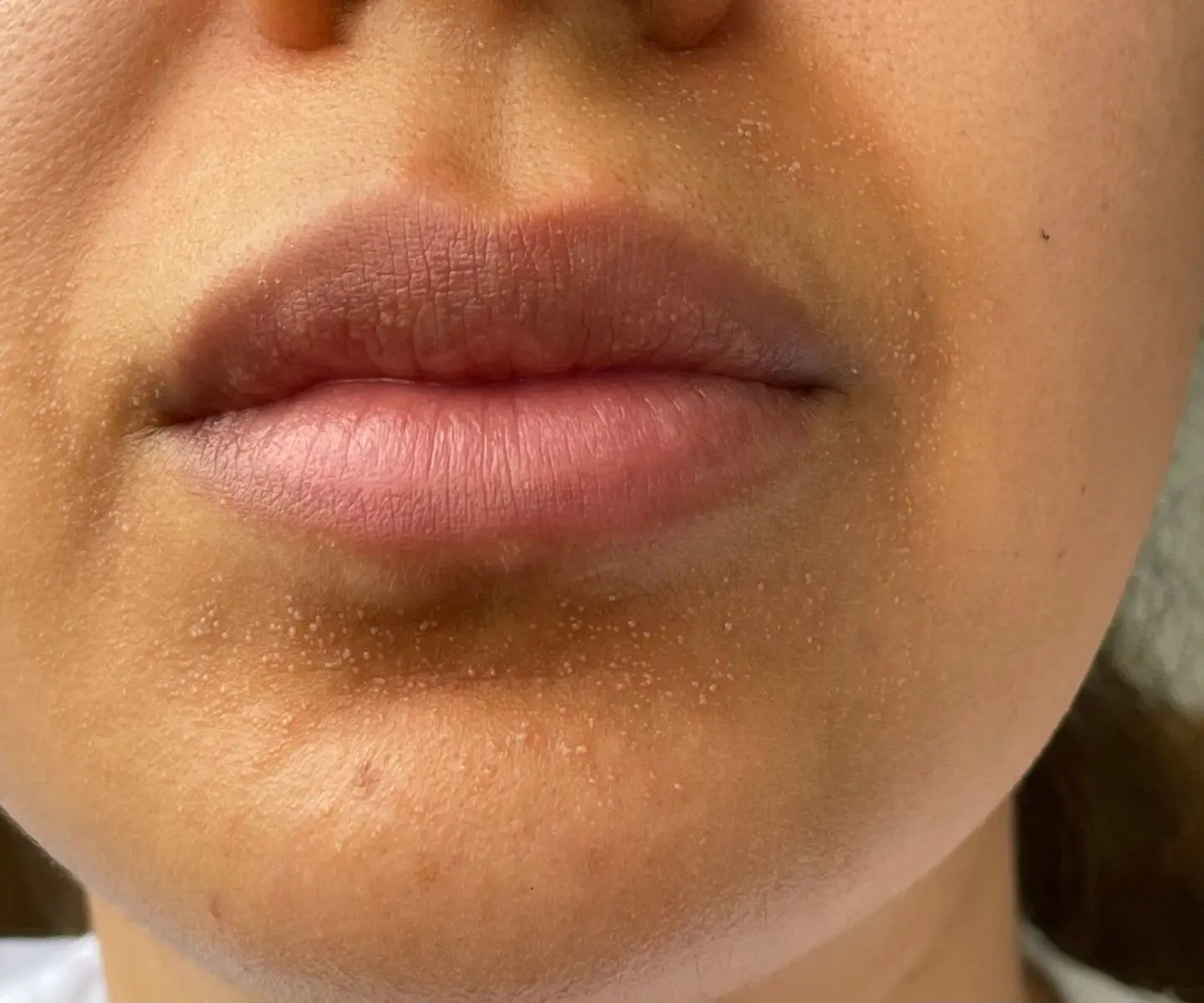
When your skin barrier becomes compromised, you'll know about it.
Skincare that you normally use might suddenly burn or sting (sometimes even gentle moisturisers), but it can also be as simple as unexpected breakouts or that tight skin feeling.
Your damaged skin barrier might also lead to skin conditions like perioral dermatitis or eczema.
What causes a compromised barrier?
Every skin is different and genetics always play a part, but some common causes include:
- Over exfoliating
- Introducing a retinol too quickly
- An allergic reaction or irritation from an ingredient
- Excessive sun exposure or sunburn
- Aircon or heating blasting in your face consistently
- Even very hot water, if you're extra sensitive
Some of these things may instantly cause an impaired barrier, while others may eventually wear down your barrier over time.
How to fix an impaired barrier?
Tegan's easy-to-follow steps are: stop, drop and roll.
- Stop what you're doing.
- Drop down to very basic skincare.
- Roll into a clinic where a professional can help you (if you need it).
Your dermatologist or dermal clinician can help with specific instructions for your skin, ut it’s best to use simple skincare for at least a month. Give your skin time to heal, so even if your skin looks like it's gone back to normal after a month, give it another few weeks before you go back to your original routine (where you might be using retinols or exfoliants).
Best cleanser for an impaired barrier
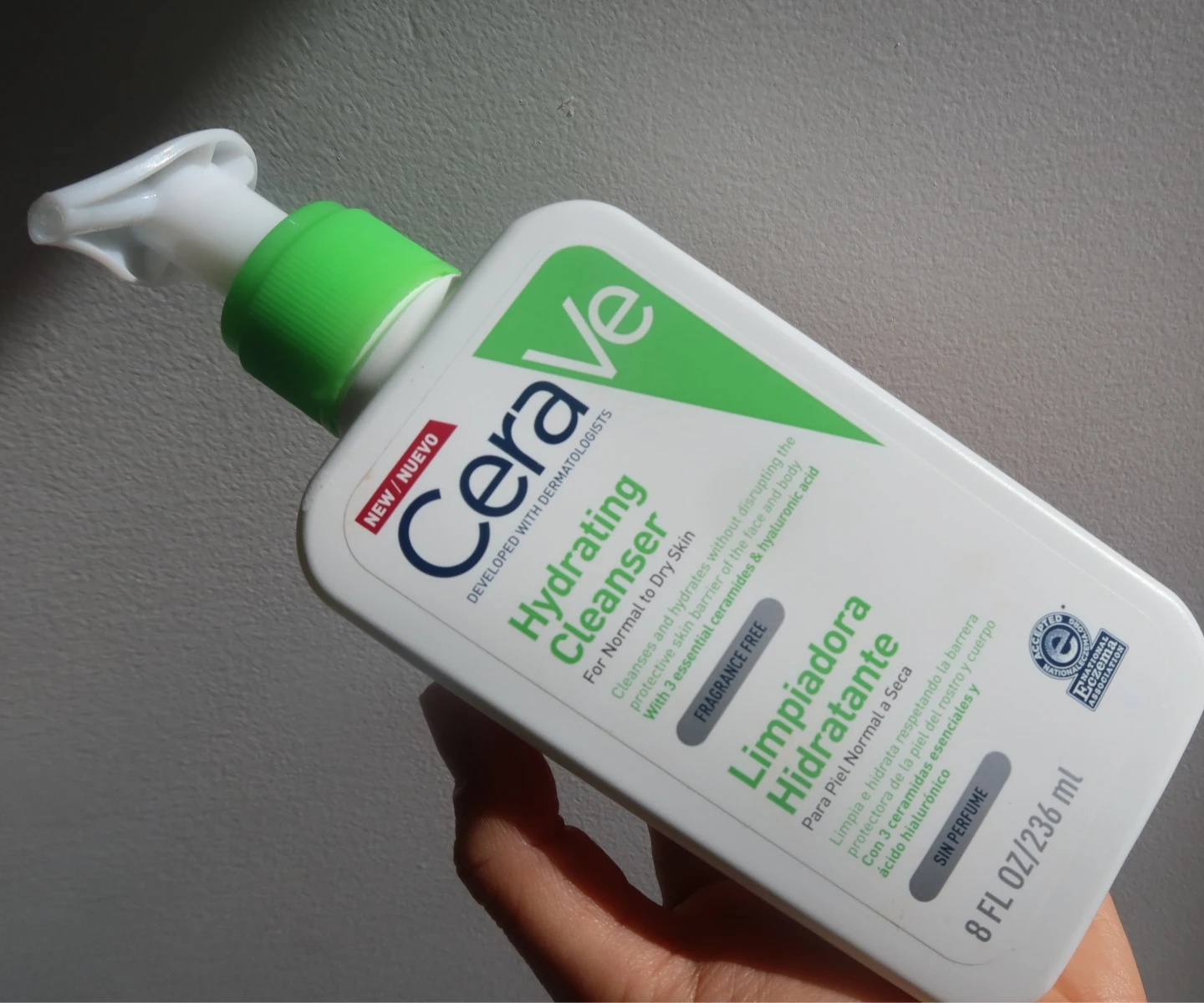
It's best to use a very gentle, soap-free cleanser with no acids or fragrance and minimal active ingredients. Even better if it's a cream or milk cleanser.
Two affordable options are Cetaphil Gentle Skin Cleanser 236mL and CeraVe Hydrating Cleanser 236ml
Two other classic options are Avene Milk Cleanser 200ml and La Roche-Posay Toleriane Caring Wash Cleanser (the latter being a gentle foaming option).
If even water is causing you issues, there are also 'no-rinse' cleansers like Avene Tolerance Extremely Gentle No Rinse Cleanser 200ml and La Roche-Posay Toleriane Dermo-Cleanser.
Best moisturiser for an impaired barrier
My personal favourite (no I will not shut up about it) is the La Roche-Posay Cicaplast Baume B5+ 40ml. I use it on days where I want to just nourish the heck out of my skin, but it would also work for an impaired barrier as it is designed to "reinforce the skin’s moisture barrier".
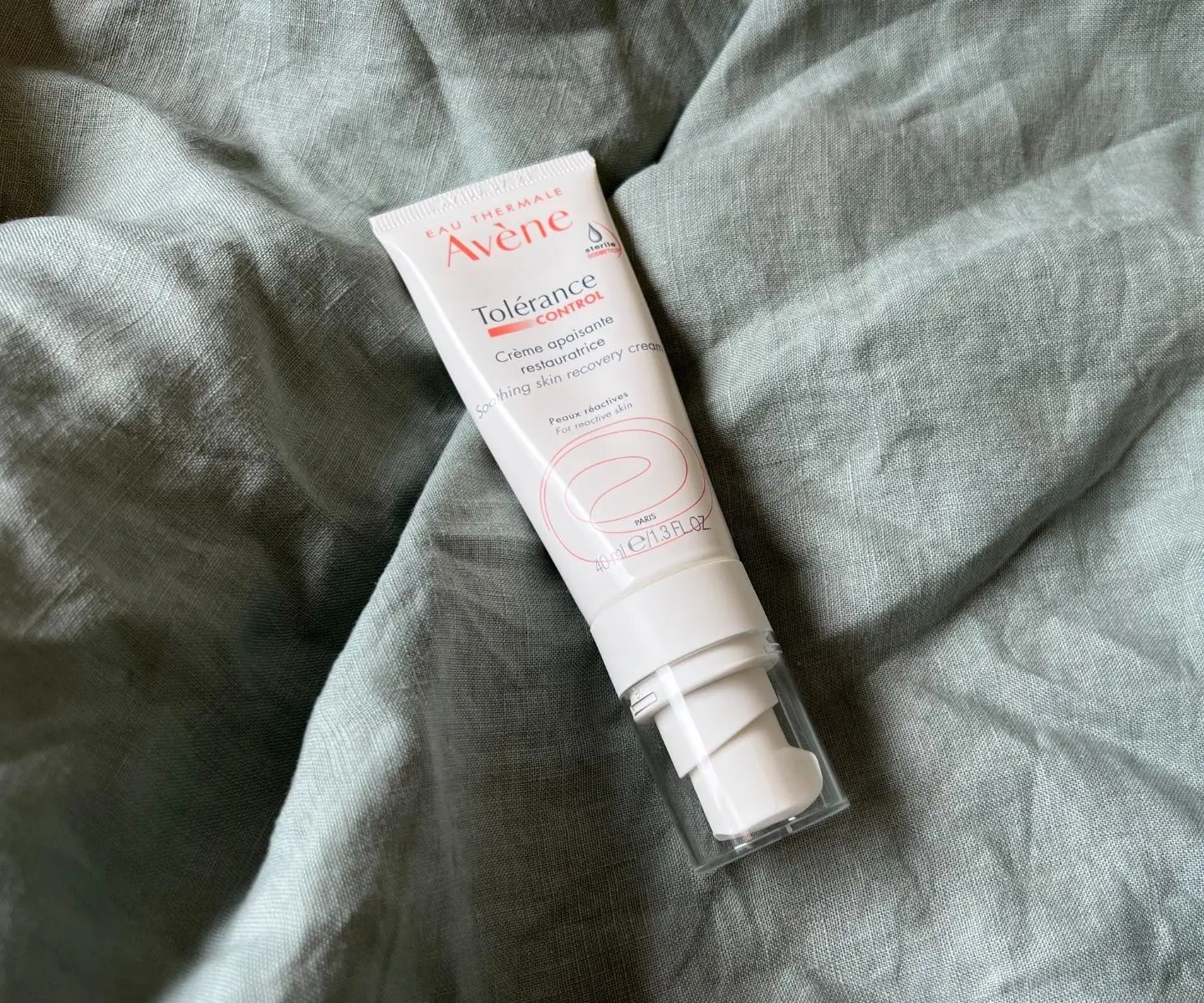
Another popular option is the Avene Tolerance CONTROL Soothing Skin Recovery Cream 40ml which helps restore comfort to even the most sensitive skins.
TheFIRST AID BEAUTY Ultra Repair Cream 170g is a really cool option with soothing ingredients too.
Look out for minimal ingredient lists, a focus on ‘calming’, and a claim that it's for ‘sensitive skin’ and you should be relatively safe.
Sunscreens for an impaired barrier
It is so important to still be using sunscreen with an impaired barrier - you don't want your skin getting even more damaged by UV rays on your daily walks.
Remember to seek shade, wear a hat, wear sunnies and reapply every 2 hours! Or if you want to be extra cautious on sunny days, use an umbrella. (Yes I do this and no I have no regrets).
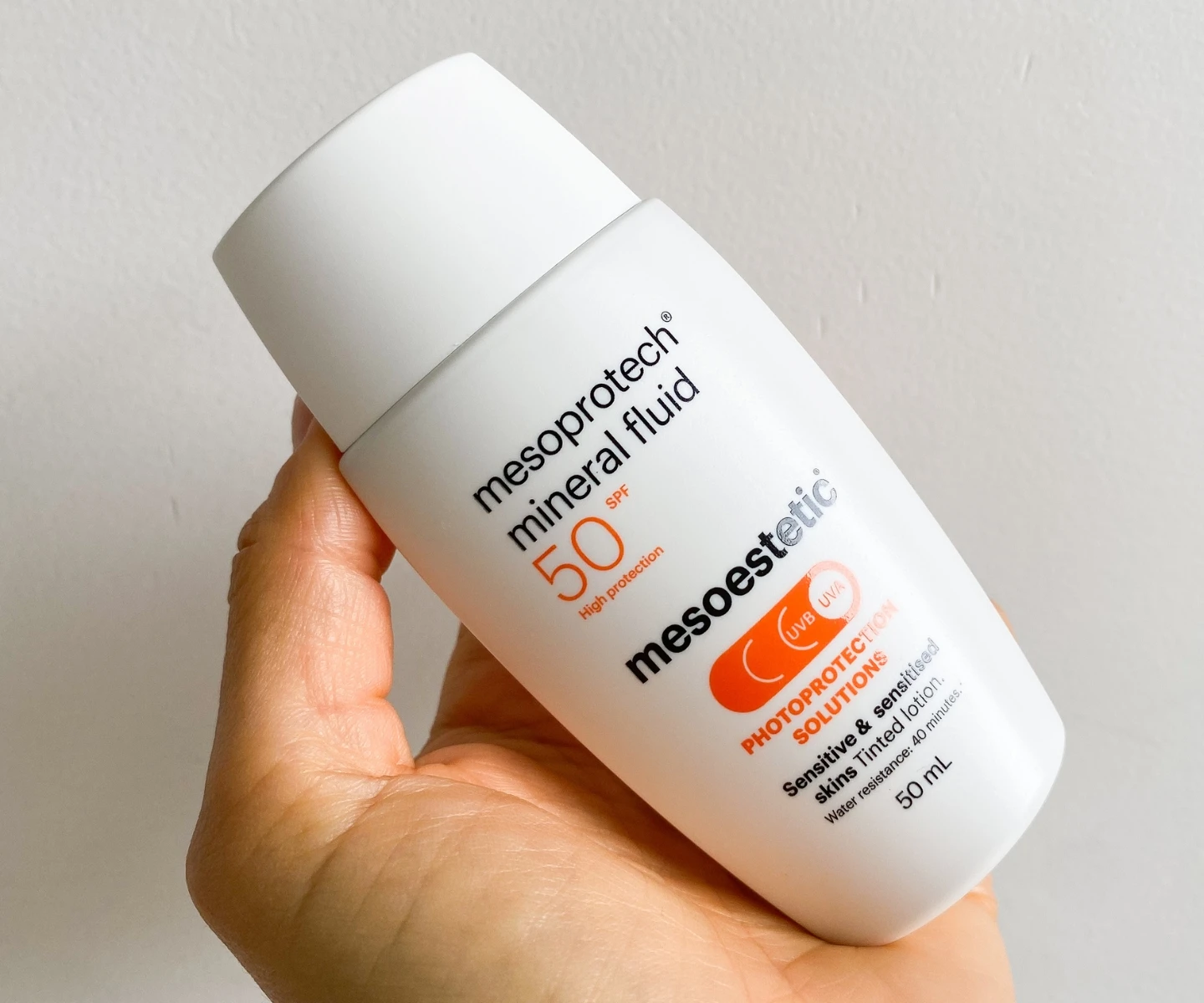
A simple mineral sunscreen may be the gentlest option - examples including Cetaphil Daily Defence Cream SPF 50 or mesoestetic mesoprotech mineral fluid SPF50+ 50ml.
If you prefer chemical sunscreens, some fragrance-free options include Bondi Sands SPF 50+ Fragrance Free Face Sunscreen Lotion 75ml, Avene Sunsitive Sunscreen Fluid Spf 50+ 50ml or La Roche-Posay Anthelios KA+ SPF 50+ 50ml
Reminder, the best sunscreen for you will be the sunscreen you actually wear every day!
Best serums for an impaired barrier
Hold off on the serums for the first month or so!
Once your skin is in a good place, then (and only then!!) you may start using serums again.
Look for ingredients like ceramides, niacinamide, hyaluronic acid or panthenol, which all can all help calm the skin.
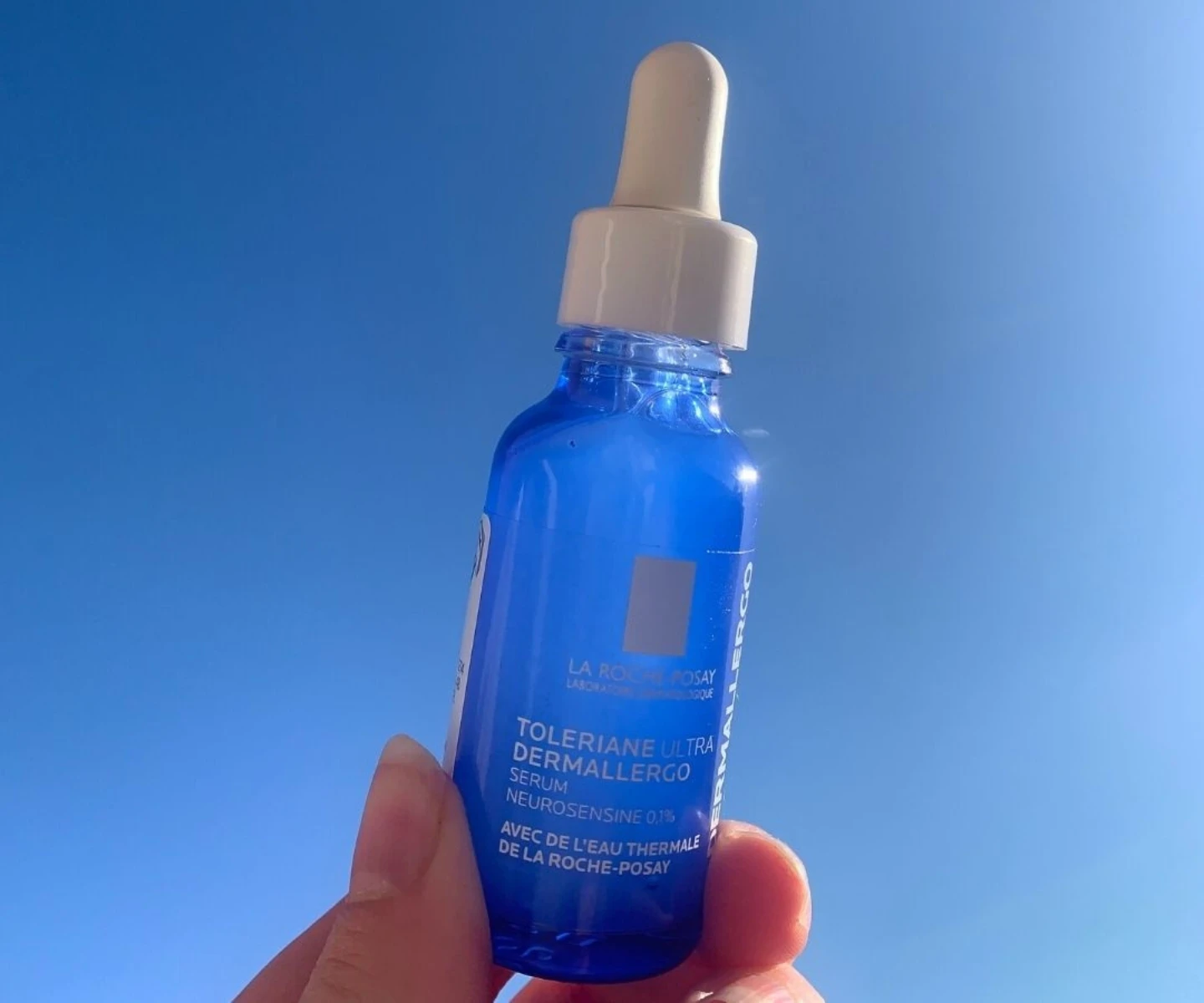
Some options include La Roche-Posay Toleriane Ultra Dermallergo Serum 20ml, Bioderma Sensibio Soothing Defensive Serum for Sensitive Skin 30ml or Avene Cicalfate+ Skin Repair Serum 30ml.
If you're feeling really bougie, I have multiple friends that absolutely adore Osmosis Skincare Rescue Epidermal Repair Serum 30ml for rosacea-prone, sensitive and reactive skin.
Best in-clinic treatments for an impaired barrier
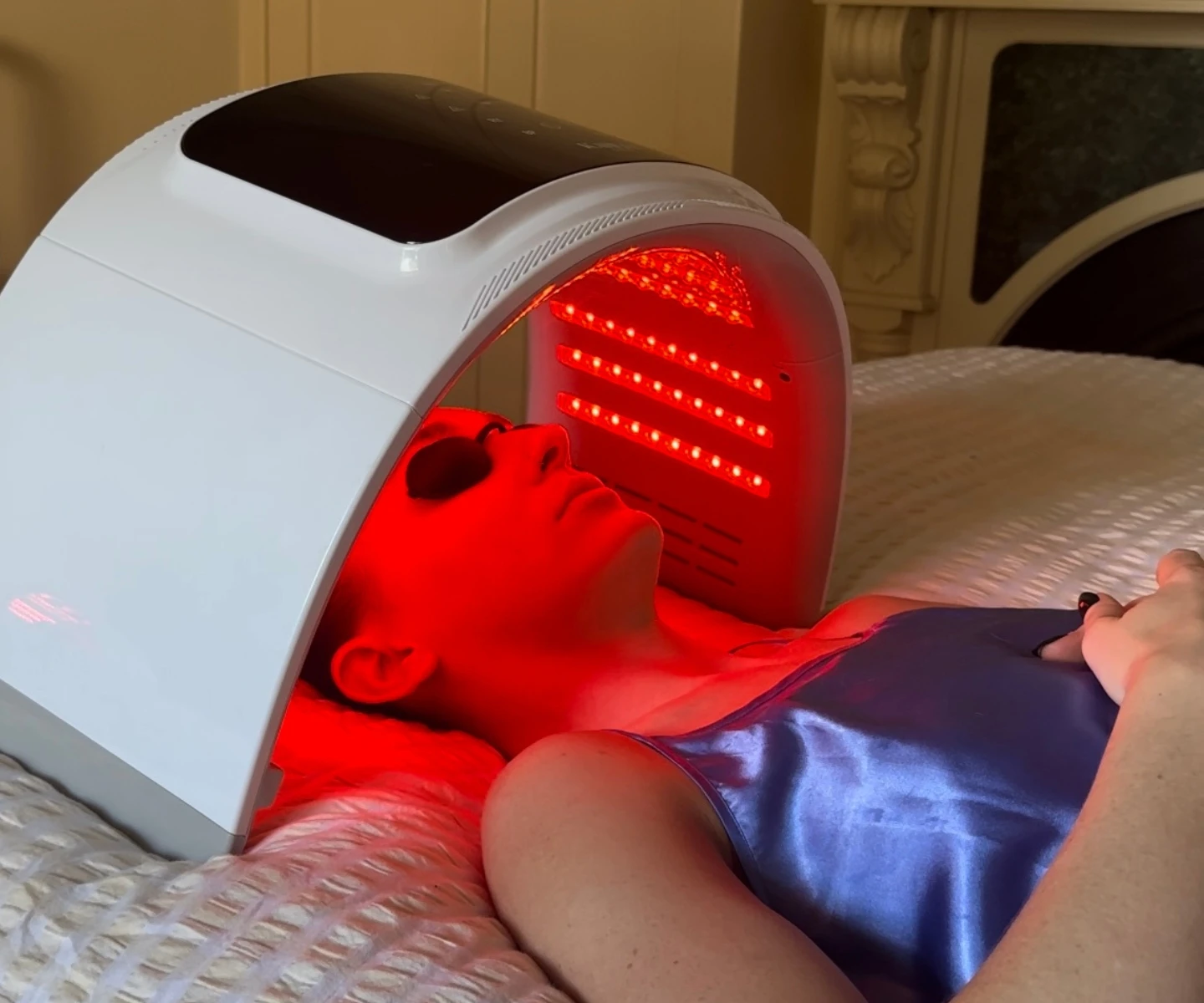
There are two treatments that Tegan recommends:
LED Therapy - This is excellent for skin inflammation and as a bonus, doesn't touch the skin directly.
Sheet masks - this is something you can do at home too - it's especially nice if you put them in the fridge so they're extra cooling on the skin. Just be sure to choose one that's simple and fragrance-free.
How to prevent an impaired barrier
Once your skin is back to normal, there are a few steps you can take to avoid this happening again.
- Patch-test new skincare
- Don't introduce multiple new skincare products at once
- Start slow with exfoliants and retinoids - start once a week and build up
- Be mindful how you remove makeup and dry your face - avoid scrubbing and be gentle
- Always be sun-safe and avoid prolonged sun exposure
- If your skin appears irritated, use calming ingredients and basic formulas
However, sometimes it is out of our hands, so we must remember to be kind to ourselves.
Want more of the best skincare advice, reviews and tips? We think you'll like these: