Premature Ageing: The Signs You *Can* Control

Yads Cauchi is a Dermal Clinician, Nutritionist (BHSc, MSc) and Beauty Journalist. She's also a mum of four. Evidence based skin health and nutrition are her thing and she works from her own skin clinic based in Canberra - you can find her there, or on Instagram and TikTok @yadscauchiskin.
You can slow premature skin ageing by targeting extrinsic drivers, like sun, sugar, sleep and stress, because around 80-90% of visible ageing comes from external factors. This article explains intrinsic versus extrinsic ageing, the lifestyle changes that deliver the biggest wins, effective skincare actives and professional treatments to consider.
Top Insights From This Guide
- 80-90% of visible ageing is extrinsic, so prioritise prevention now.
- Wear daily SPF; choose SPF 50+ to protect collagen and prevent pigmentation.
- Cut sugar, improve sleep and manage stress to reduce inflammaging.
- Start retinoids 2-3x/week, then build up to improve texture and pigmentation.
- Add antioxidants, peptides and ceramides to repair, firm and strengthen barrier.
Let’s talk ageing, because not all wrinkles are created equal.
Today, I want to help you break down the different types of ageing and what causes them.
And most importantly, premature ageing, because we have the power to slow this down.
I promise, when you know the difference between natural ageing and skin changes accelerated by lifestyle, environment, or habits, you can target the things that make the biggest impact for longer, healthier-looking skin.
Intrinsic vs Extrinsic Ageing
You see, premature ageing is when the skin starts showing signs like fine lines, dullness, or pigmentation sooner than it should. Think: stress, sun, sugar, and six hours of sleep (on a good night).
On the other hand, normal ageing (aka intrinsic ageing) is the slow kind of ageing that’s mostly driven by time and genetics.
Then spoiler alert: we have extrinsic ageing, which is most of what we see on the skin and comes from external factors like UV, pollution, and lifestyle. And FYI it’s been said that 80-90% of visible skin ageing comes from extrinsic factors, hence why it’s important to do simple things to prevent this, such as wearing SPF everyday.
Also we can’t forget inflammaging (because yes, it’s a thing). This is a subtle, chronic inflammation that speeds up collagen breakdown and skin damage. It’s linked to gut health, sugar and yes, stress.
Moral: We should think of intrinsic ageing as the blueprint, and extrinsic ageing as the lifestyle edits that can speed things up, or slow them down. So while we can’t pause time, we can slow the visible signs that lead to premature ageing of the skin.
Especially when we support the skin from the inside out.
Lifestyle & Environmental Factors to Minimise
So if you’re now worried about premature aging, what should you adjust to in your every day? Here’s a list I’ve popped together for you below:
- UV exposure (incl. daily incidental exposure
- Pollution
- Diet high in sugar & refined carbs
- Poor sleep
- Smoking & alcohol
- Stress
- Harsh skincare
Ingredients That Support Healthy Ageing
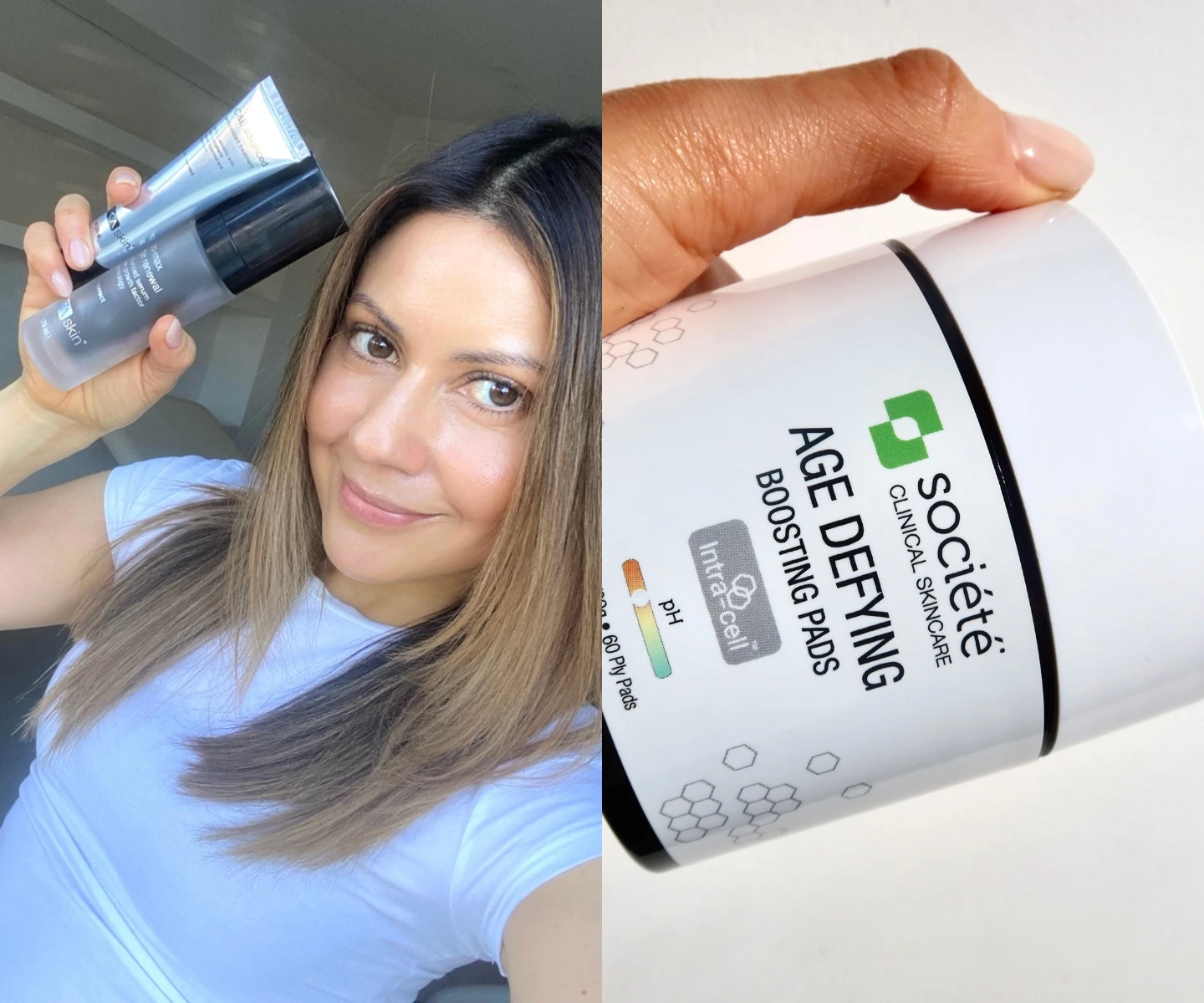
Skincare can’t stop time, but it can slow the signs of it. Look for products that defend, repair, and support your skin barrier at every age:
SPF (non-negotiable, daily) - UV exposure is the number one cause of premature ageing. Daily SPF protects collagen, prevents pigmentation, and reduces inflammation — even on cloudy days.
Antioxidants - These ingredients neutralise free radicals, boost brightness, and support collagen. Think of them as your skin’s shield.
Retinoids (vitamin A) - Retinoids speed up skin cell turnover, fade pigmentation, and stimulate collagen production. They’re the gold standard for age management well.
Try: Société Age-Defying Boosting Pads, Medik8 Crystal Retinal…start slow (2–3x/week) and build up.
Peptides + Growth Factors (for collagen + firmness) - These signal the skin to repair, firm, and regenerate. They’re ideal for fine lines and elasticity and also for skins that can’t tolerate retinoids.
Barrier Support (ceramides, fatty acids, niacinamide) - A strong barrier = less sensitivity, better hydration, and glow. Especially important if using actives.
Professional Treatments to Consider
Think of professional treatments like your skin’s personal trainer, short, focused sessions that build long-term strength, clarity, and glow.
Treatments like Lasers, chemical peels, microneedling, and LED work beneath the surface to stimulate collagen, improve texture, and fade pigmentation before it becomes stubborn.
They’re not just for damage control, they're for prevention - remember, consistency is key.
Finally, let’s just remember, you can’t stop ageing, and honestly, you shouldn’t want to. It’s natural, beautiful, and a privilege.
However, you can age well, because the goal isn’t to freeze your face in time, and prevention isn’t about perfection.
Age-management is about consistency, nourishment (inside and out), and making smart choices that support your skin health for decades to come.
Think long game, not quick fix… because glowy skin at 60 starts with the habits you build in your 30s.
Catch up on more of Yad's expert skin advice below: