Post-Skin Treatment Freakout? Here’s What’s Actually Normal

Yads Cauchi is a Dermal Clinician, Nutritionist (BHSc, MSc) and Beauty Journalist. She's also a mum of four. Evidence based skin health and nutrition are her thing and she works from her own skin clinic based in Canberra - you can find her there, or on Instagram and TikTok @yadscauchiskin.
Microneedling, chemical peels and extractions commonly trigger short-term redness, flaking or purging as the skin renews; that reaction is usually normal. Here I explain expected timelines, calming post-treatment care (what to use and avoid), and clear signs that mean you should contact your clinician.
Top Insights From This Guide
- Skip actives and sweating for 48 hours; stick to gentle cleansing and moisturiser.
- Redness usually fades within hours or by the next morning; call your clinician if not.
- Some breakouts are purging; if cysts or worse appear after a week, see your clinician.
- Leave 7 to 14 days before events after peels or needling; 3 to 5 days for gentle facials.
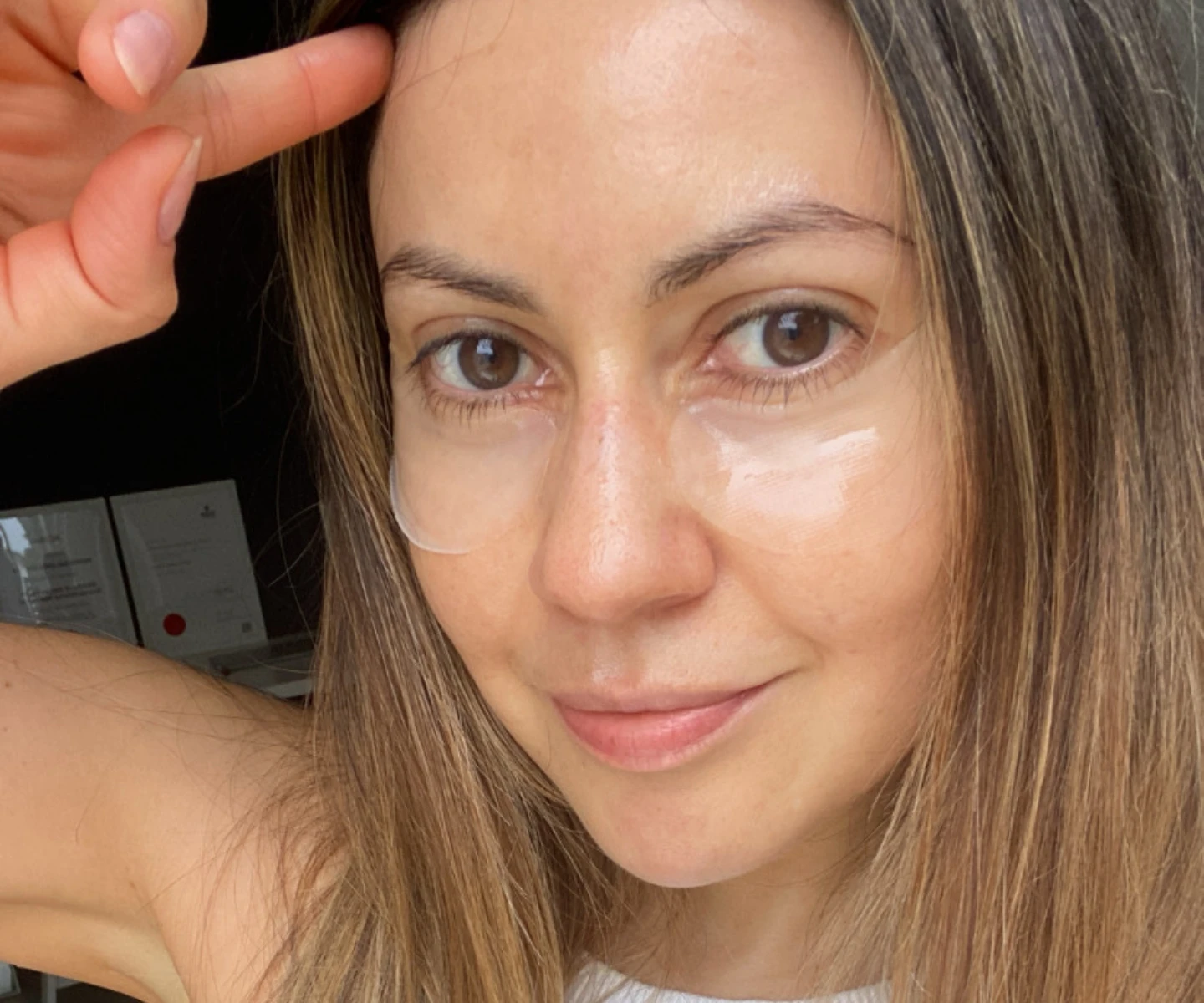
If you’ve ever walked out of a skin treatment expecting a glow and instead been greeted by breakouts, redness, or flaking, you’re not alone.
As a dermal clinician, I see this all the time: post-treatment panic over what’s actually just part of the healing process.
But how do you tell the difference between normal post-facial inflammation and a true reaction?
Can a treatment trigger congestion? And how long should you be red?
Let’s break it all down, from what to expect in the hours and days after your skin treatment to the best way to support your skin (and what to absolutely avoid).
Because great results don’t just come from what happens in the clinic… they depend on how you care for your skin after, too...
Why Can My Skin Look Worse After a Skin Treatment?
Many treatments (like extractions, needling, or chemical peels) create controlled inflammation in the skin to kickstart renewal.
That short-term redness, purging, or slight flakiness is often a sign your skin is working hard behind the scenes.
So it’s not that your treatment “didn’t work”, it’s that it is working. There can just be a bit of a healing process depending on what you’ve had.
The key is to support that process with calming, barrier-friendly skincare, be patient and avoid anything too active for a few days.
Is It Normal to Break Out After a Skin Treatment?
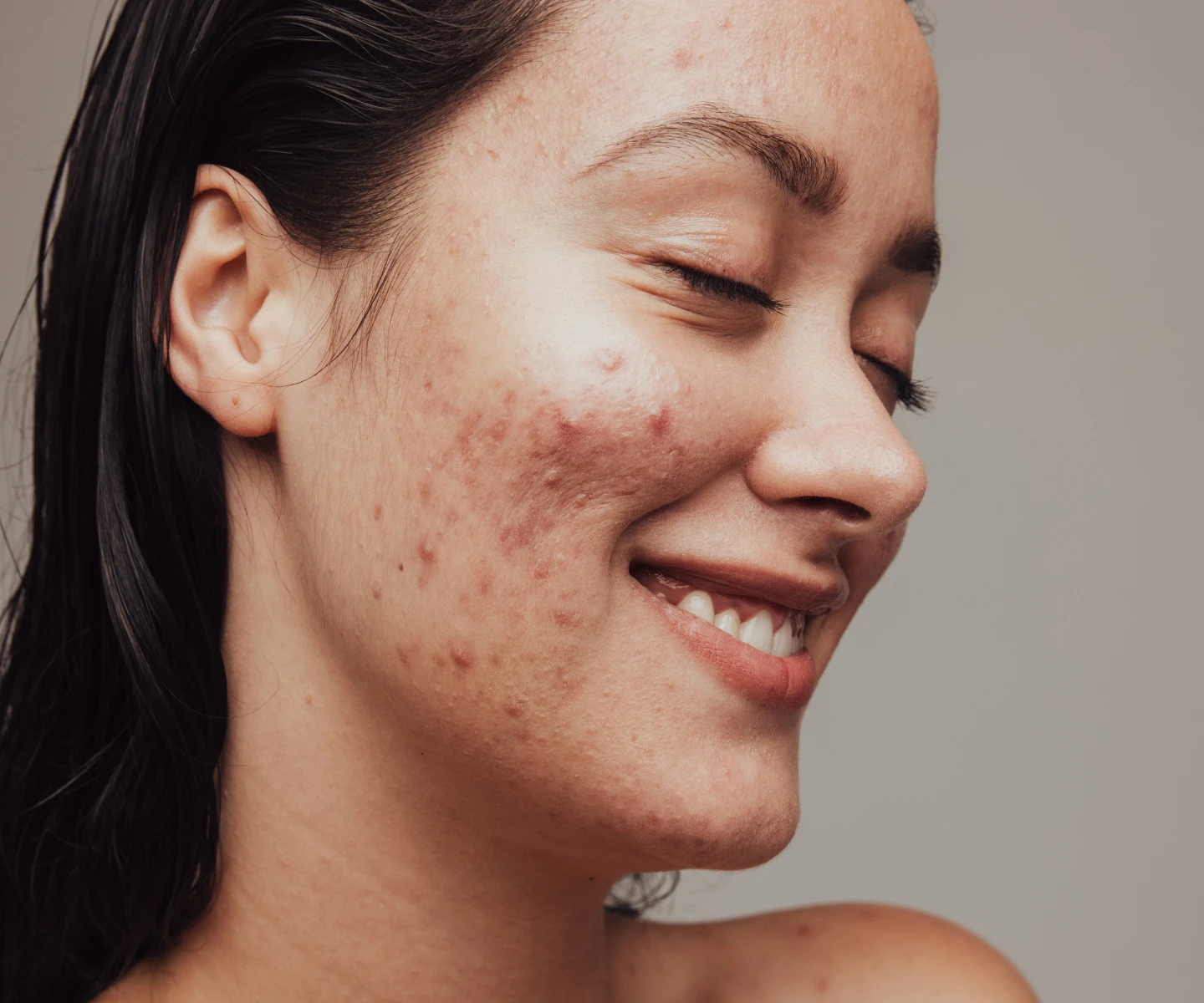
Can skin treatments cause acne or clogged pores?
Some breakouts post-treatment are a result of purging, especially if the treatment included exfoliation or ingredients that increase cell turnover (like enzymes, AHAs, or vitamin A).
This brings underlying congestion to the surface faster. But there’s a difference between a few small breakouts and widespread irritation or inflamed cysts.
Treatments don’t tend to cause cysts or clogged pores.
If your skin feels that angry or worse a week later, check in with your clinician.
Can Skin Treatments Cause Acne or Clogged Pores?
Mild redness right after a facial is completely normal, especially if you’ve had stimulation-based treatments (think needling, chemical peels or lasers). Most redness settles within a few hours, or by the next morning. If you’re still red, hot, or stingy days later it’s always worth flagging with whoever has done your treatment.
What Should I Not Do After a Skin Treatment?
Skip the gym (heat and sweat = no thanks), avoid actives like retinol or exfoliants for at least 48 hours, and don’t introduce anything new to your routine.
Also, resist the urge to touch your face or pick at any spots or dry patches, your skin is doing its thing.
This is your time to strip it back to the basics: hydrate, protect, and support the barrier.
For more tips on post-treatment care, watch the YouTube video below:
What’s the Best Thing to Put On Your Face After a Skin Treatment?
Think calming, cooling, and hydrating.
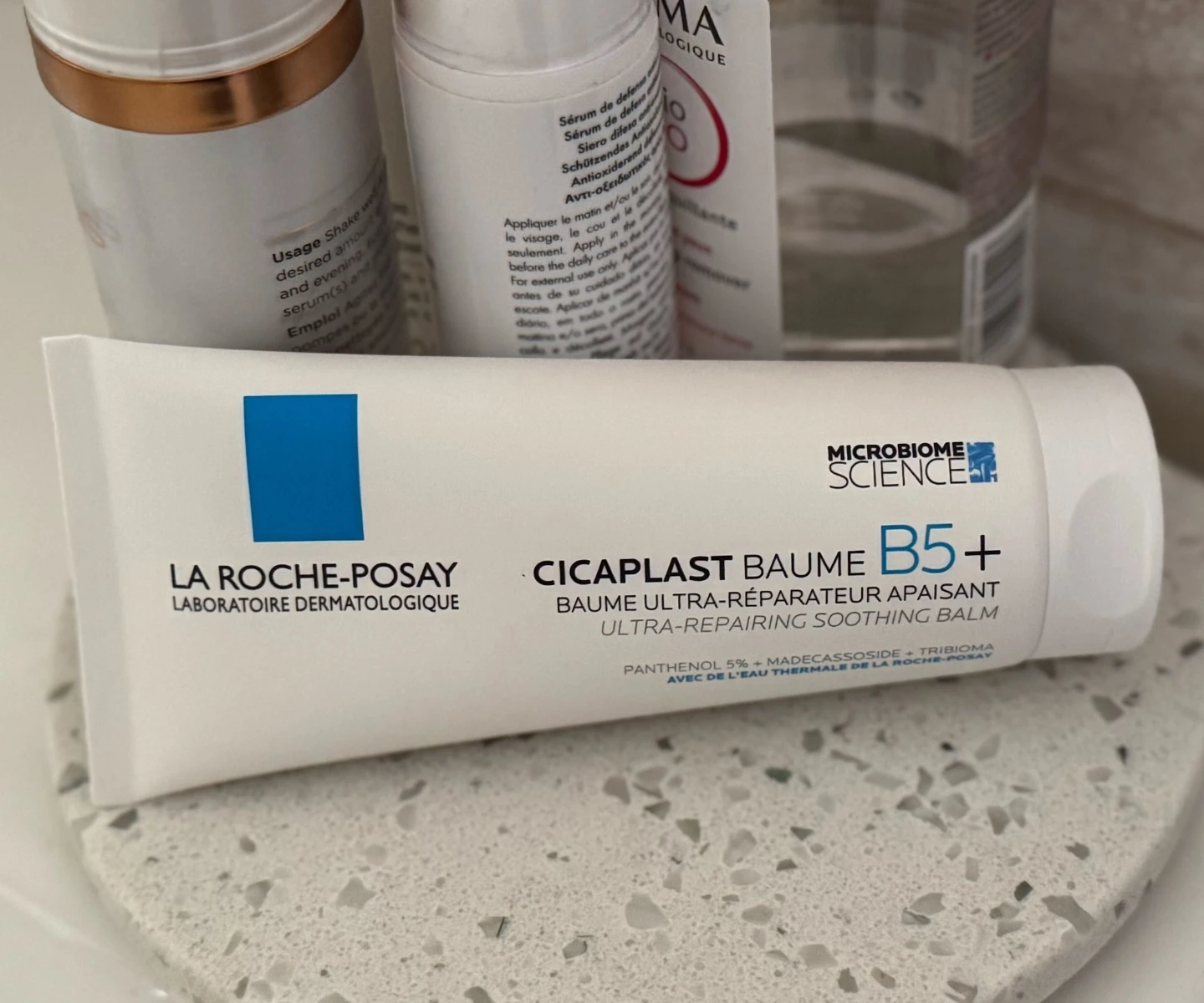
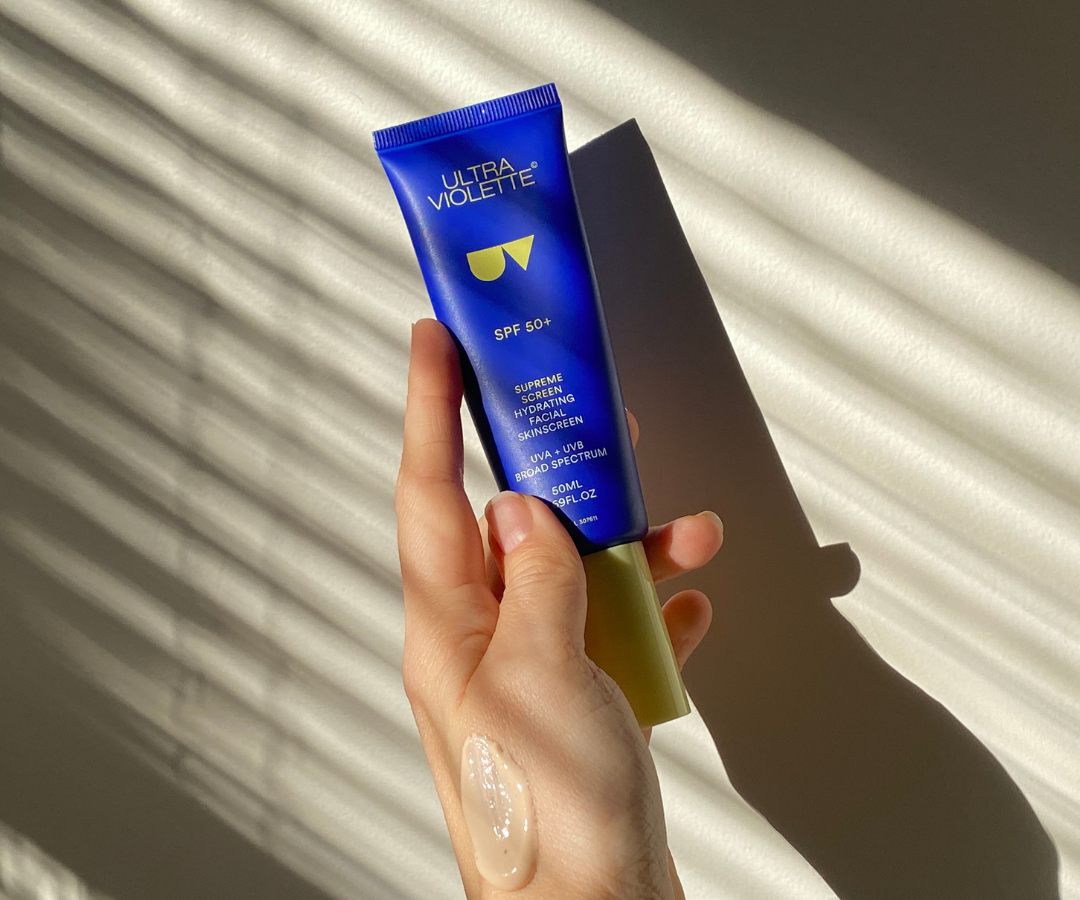
A nourishing moisturiser and a simple cleanser are key, and if you’re heading outside, SPF is non-negotiable (especially after exfoliation or active treatments).
I often recommend my clients pair post-treatment skin with an LED session or calming mask at home to keep inflammation down.
When Should I Get a Skin Treatment Before an Event?
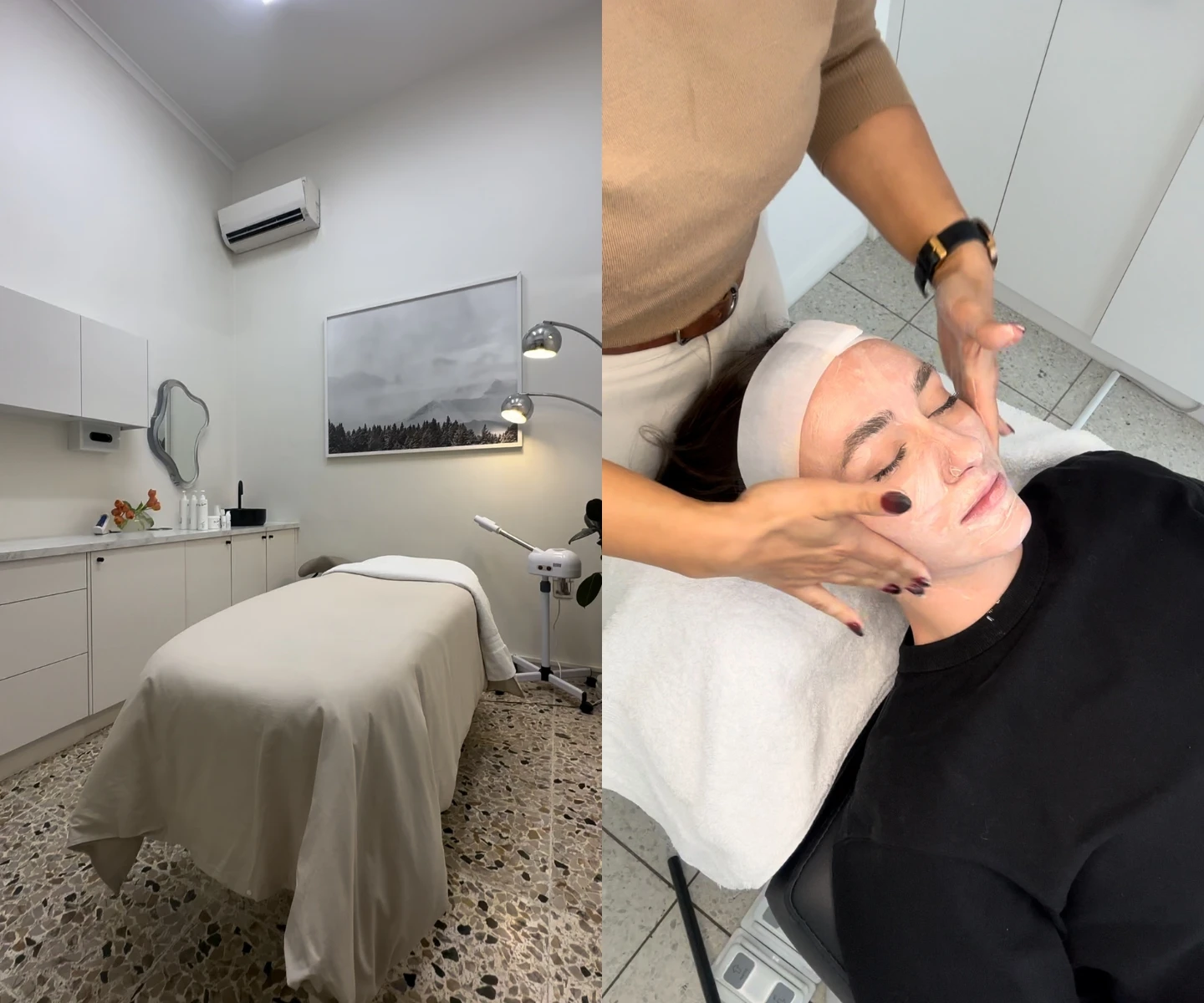
This depends on the treatment and your skin.
For advanced treatments like chemical peels, lasers or microneedling, I’d say 7–14 days minimum.
For more gentle facials, you can get away with 3–5 days.
If it’s your first time seeing a new therapist or trying a new treatment, I wouldn’t do it the week of an event. Always trial it earlier if possible.
Remember glowing skin is a process, not a panic purchase!
Want more expert advice from Yads? Read these next: