What Is the Difference Between a Serum and a Moisturiser?

Isobel is a skincare obsessed Piscean hailing from Byron Bay. She studied law and journalism in Brisbane before moving to Sydney where she’s now living by the beach in Bondi. She’s worked as a Beauty Writer for BEAUTYcrew, a Digital Content Editor for Marie Claire and InStyle, and her words have appeared in Vogue, Gritty Pretty, ELLE, Women’s Health - and of course here - at Adore Beauty.
Serums penetrate more deeply to deliver concentrated actives such as retinol and niacinamide, while moisturisers sit thicker on the skin to hydrate the outer layers and lock that moisture in. Below we cover how they differ, the correct layering order, practical application tips and simple product pairings for dry, normal and oily skin.
Top Insights From This Guide
- Use a serum to deliver concentrated actives deeper into skin, ideal for retinol or niacinamide
- Layer a moisturiser to lock in hydration and strengthen your skin's protective barrier
- Apply serum first to cleansed skin, pat gently, wait around 5 minutes, then apply moisturiser
- Match products to skin type: AHC plus Clinique 72H for dry; Effaclar plus Cosmedix for oily
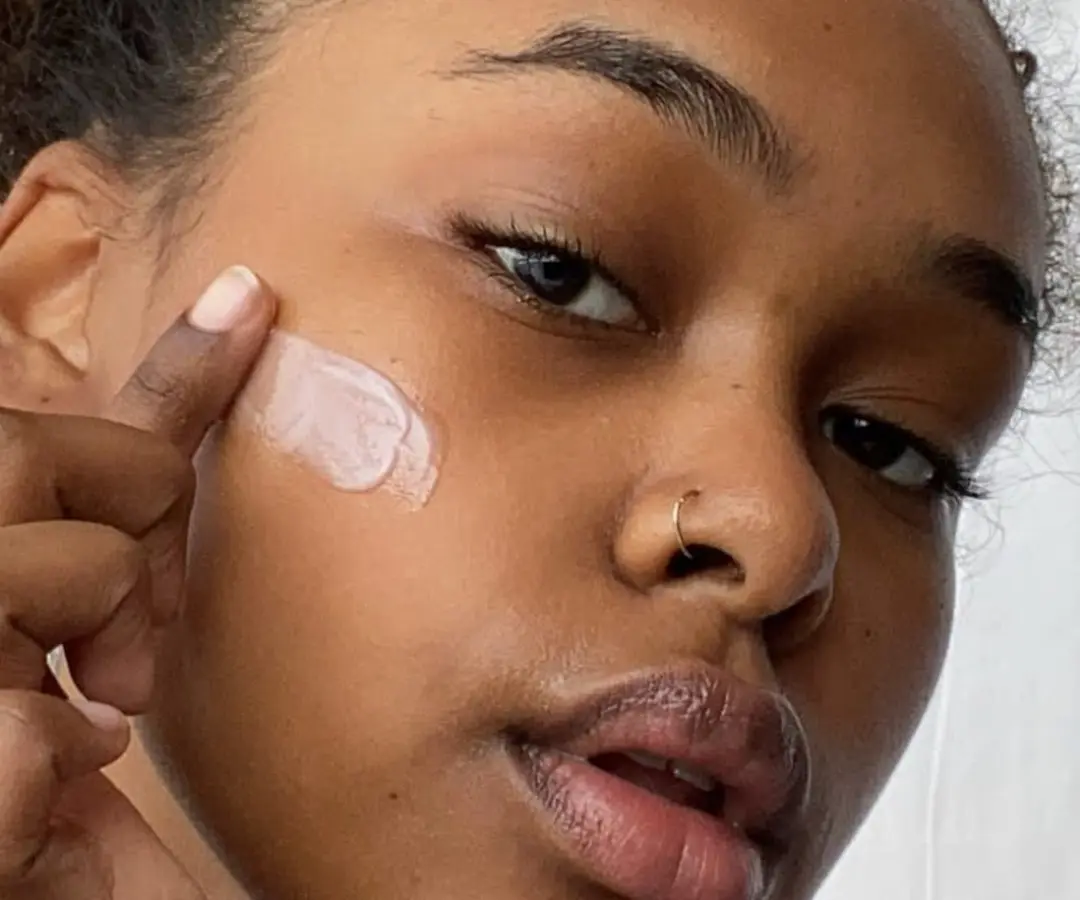
Serums and moisturisers often seem to boast many of the same ingredients while touting similar benefits.
That’s why understanding the difference between the two isn’t always easy.
Unsurprisingly, this piece of beauty trivia has even seasoned beauty buffs scratching their heads at times when asked what separates serums from moisturisers.
It’s time we set the record straight with a decisive explanation.
If you often ponder questions such as ‘What is the difference between a serum and a moisturiser?’ and ‘Is serum better than moisturiser?”, we cover all that and more.
Let’s get into it!
What Is the Difference Between a Serum and a Moisturiser?
There can be a lot of crossover between serums and moisturisers when it comes to what they contain and what they can do.
For example, when comparing hydrating serums vs moisturisers, you’ll see hyaluronic acid-based serums AND hyaluronic acid-based moisturisers, both of which are designed to hydrate. See why it gets confusing?
Anyway, what distinguishes serums from moisturisers comes down to two main factors: purpose (what they do for the skin) and ingredient penetration (how deeply the formulas sink into the skin).
Moisturisers
Purpose: Moisturisers are intended to hydrate the outer layers of the skin and seal in hydration.
They strengthen the skin’s natural protective barrier and help keep out unwanted nasties like harmful bacteria and environmental elements like pollution.
Ingredient penetration: Moisturisers have a thicker, more viscous texture than serums do.
A thicker formula helps build that barrier to trap hydration in and environmental aggressors out.
Moisturisers might also contain actives; however, as a rule, these won’t work as deeply within the skin as those in your serums can.
Serums
Purpose: Serums are used to add hydration and are usually more concentrated than moisturisers are. Serums are also normally laden with actives to treat skin concerns.
For example, Retinol is an active ingredient commonly found in anti-ageing serums to diminish fine lines, wrinkles, and pigmentation.
Ingredient penetration: Serums normally have a thinner consistency than cream-based moisturisers do, which means the former can deliver ingredients deeper into the skin.
Serums are the ideal carrier for transporting actives like Retinol or Niacinamide into the skin, where they can work more effectively to combat ageing, pigmentation, acne, or uneven texture.
Is Serum Better Than Moisturiser?
Apples and oranges! As we’ve said, the two serve different purposes, so it’s kinda impossible to say whether one is ‘better’ than the other.
Moisturiser can’t really be considered a substitute for face serum, and vice versa.
Do I Need Both Serum and Moisturiser?
While it’s true that there can be some overlap between serums and moisturisers, these two product categories often work in very different ways.
For that reason, we suggest incorporating a serum AND a moisturiser into your skincare regimen.
Using both is a great way to treat or prevent specific concerns and keep your skin hydrated.
Is Moisturiser Necessary After Serum?
Following your serum with moisturiser creates a hydrating layer to seal in all that skin-loving goodness from your actives.
As serums soak into the deeper layers of the skin, you likely won’t get all the protective barrier-bolstering hydration that you need without adding a moisturiser.
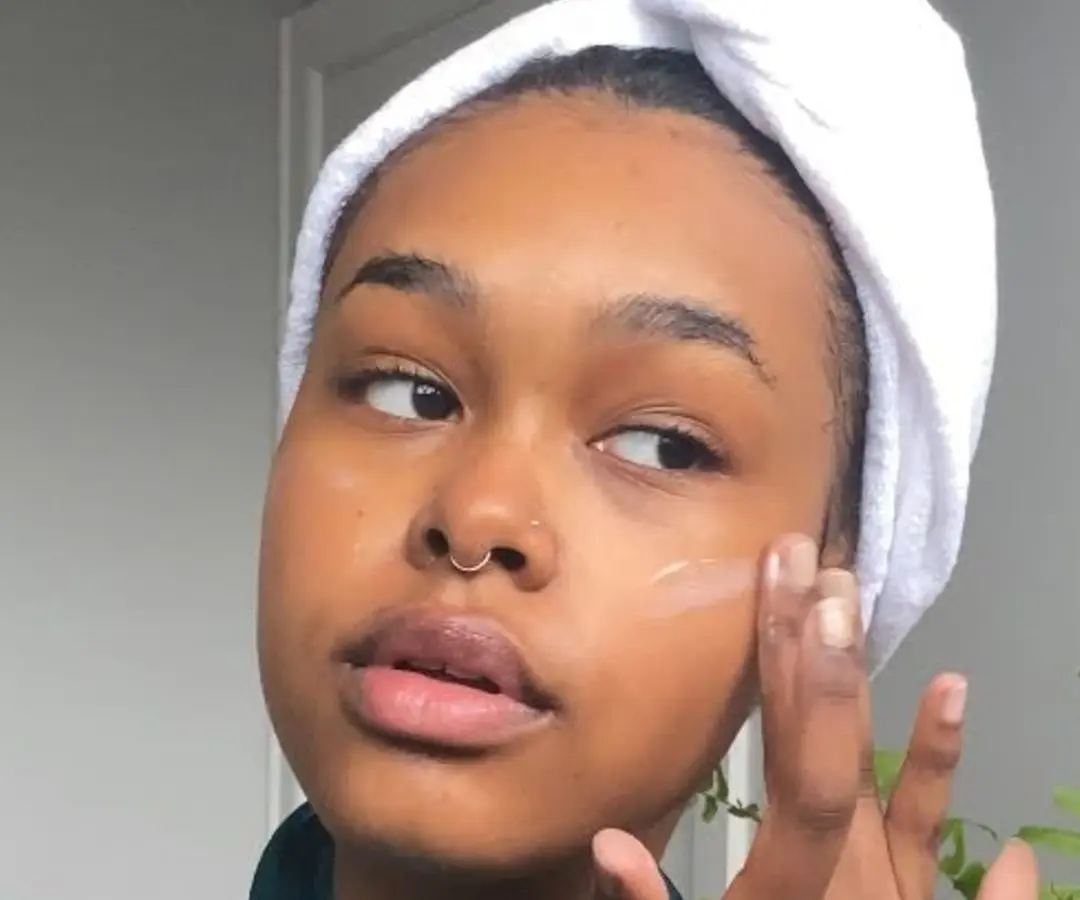
How to Use Your Serum and Moisturiser
First things first: start by applying your serum first, then follow with your moisturiser.
- Apply your serum to freshly cleansed skin using gentle patting motions.
- Not sure how much to use? A little goes a long way with most serums, but check your product’s packaging for specific instructions.
- Allow your serum to soak in (ideally for around 5 minutes).
- Then grab your moisturiser and apply it as you did your serum, using the same delicate tapping style. Simple as that!

Serum and Moisturiser Combos to Try
Convinced you now need both a serum and a moisturiser? Good for you! We truly think your face will thank you.
For some clues on which ones to try, we’ve rounded up a few of our favourite pairings below.
For Dry Skin
Serum to try: AHC Aqualuronic Serum
- If your skin is dry or dehydrated, it’s best to add hydration with both your serum AND moisturiser to target the different layers of the skin.
- Aqualuronic Serum combines Hyaluronic Acid with Ceramides to restore moisture to even the most parched complexions.
Shop it here:
Moisturiser to try: Clinique Moisture Surge Intense 72H Lipid-Replenishing Hydrator
- Can you believe this ultra-rich moisturiser gives skin a solid hit of hydration for 72 hours after you apply it?
- The fragrance-free cream is dosed with Aloe Water to hydrate and Cica to calm while strengthening the skin’s moisture barrier.
Shop it here:
For Normal Skin
Serum to try: Alpha-H Hyaluronic 8 Serum
- This multitasking, Australian-made serum is excellent for all skin types—not just normal.
- It’s made with Hyaluronic Acid, Cureberry Extract, and Aloe Vera to hydrate, add glow, and smooth fine lines.
Shop it here:
Moisturiser to try: Skinstitut Moisture Defence - Normal Skin
- If you’ve got normal skin (lucky you!), this is a great all-round moisturiser.
- Moisture Defence hydrates with Cucumber Extract and brightens thanks to Vitamin C from Australian Kakadu Plum.
Shop it here:
Oily or Breakout-Prone Skin
Serum to try: La Roche-Posay Effaclar Ultra Concentrated Serum
- If you’re dealing with regular breakouts or acne-prone skin, this is an excellent overnight serum to try.
- Effaclar Ultra Concentrated Serum exfoliates away skin-clogging dead cells with LHAs, AHAs, and BHAs. Over time, the serum can reduce the frequency of blemishes.
Shop it here:
Moisturiser to try: Cosmedix Shineless Oil-Free Moisturiser
- This oil-free, mattifying hydrator is specifically formulated for acne-prone and oily skin types.
- With antioxidant-rich Mint and Green Tea, Shineless Oil-Free Moisturiser nourishes the skin while leaving it feeling soothed and refreshed.
Shop it here:
Knowing what the difference is between a serum and a moisturiser will help you develop a results-oriented skincare regimen.
We hope you’ve enjoyed this guide. If you’re keen to learn more, you can take a deep dive into what face serums do and learn some tips on the best time to apply moisturiser.
Want more serum and moisturiser product recommendations? Check out the guides below...
Brand and product inclusions are at the sole discretion of Adore Beauty. We do not seek or accept payment from brands or individuals listed in our guides.