Fine, Medium or Coarse? Here’s Your Go-to Guide For Decoding Your Hair Texture

Sukriti Wahi is a journalist, copywriter and editor with a background in luxury fashion magazines. Covering everything from trending skincare to slow travel, her bylines have featured in the likes of Harper’s BAZAAR, ELLE, Marie Claire and Refinery29. Outside ‘magland’, she previously helmed editorial content for Aje and Stylerunner. These days, she divides her time between writing, dance classes and her six-step hair care routine (flow charts may or may not be involved).
Identifying whether your strands are fine, medium or coarse lets you choose the right routine, from root-lifting foams for fine hair to heavy hydrators and clarifying washes for coarse strands, says Kirby Lago, founder of Sydney salon Pelo By Lago. It explains how to test your texture, which ingredients to use or avoid, and product types that suit each texture.
Key Takeaways From This Article
- Place a shed strand on white paper to test texture: invisible = fine, thread = medium, thick = coarse
- Fine hair: wash every two to three days and use lightweight proteins and root-lifting products
- Medium hair: most formulas work; use moderate oil and protein to add shine without weighing hair down
- Coarse hair: choose heavy hydrators and oils, deep-condition regularly and clarify every few weeks
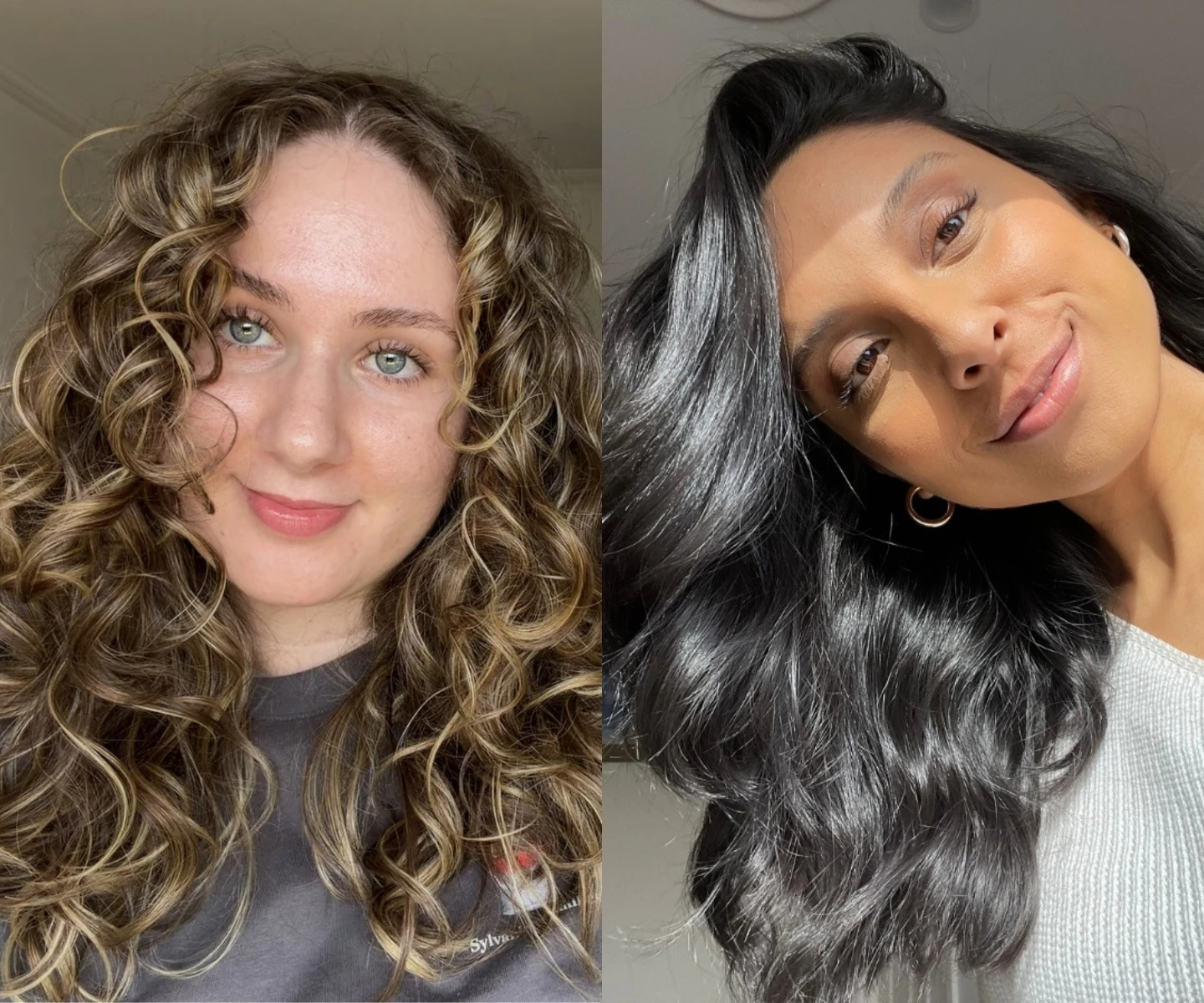
Hair texture. When it comes to care, it’s make or – sometimes literally – break.
And because we absolutely want to avoid the latter, thank you very much, it’s well worth knowing exactly what kind of texture we’re working with so we can look after our tresses to the best of our ability.
So, to get the complete low-down on decoding your hair texture and how to care for it, we spoke to Kirby Lago, founder of the Sydney-based salon Pelo By Lago, colourist to Miranda Kerr and Delta Goodrem, and brand ambassador for Kerasilk and Goldwell.
Read on for everything you need to know.
What is ‘hair texture’ and how does it differ from ‘hair type’?
“Hair texture is the width (diameter) of each individual strand, and these are classified as fine, medium or coarse; while hair type is your curl pattern (straight, wavy, curly, coily),” Lago tells BeautyIQ.
“You can have curly hair that's fine or straight hair that's coarse. They're two separate things, and knowing both changes everything about how you care for your hair.”
What are the different types of hair texture?
As we just touched on, there are three hair textures: fine, medium and coarse. The fun part? Not only do they feel and behave differently, they also want different things in life (how dare they), as the thickness of the strand determines how strong the hair is. Hence, knowing exactly which one you have will make all the difference in your haircare routine.
Let’s get into it.
Fine Hair Texture
Possessing the smallest strand width of the three hair textures, fine hair is so delicate and silk-like that it’s hard to feel when you roll it between the thumb and forefinger. As a result, it tends to fall flat and has a hard time holding styles like curls and waves, while oil loves to ride down the strand like it's a slippery slide (so it typically likes a hair wash every two to three days).
Another tradeoff for that beautiful softness? It’s also more prone to damage than the other hair textures.
“Fine strands are narrow, soft and get weighed down easily,” Lago adds.
Note: having fine hair is not to be confused with having thin hair, which refers to density, AKA the number of said strands on your scalp – and it is possible to have fine hair but a lot of it.
The best products for fine hair
The motto here is: light calls to light!
Fine hair loves lightweight products that nourish, boost volume and support hair density without weighing down silky strands.
Ingredients-wise, look for strengthening proteins (like rice, soy, hydrolysed quinoa and wheat protein) and gentle hydrators like aloe vera and glycerin.
If you're on a mission to ‘thicken’, you’ll want volumising foams or powders specially formulated for fine hair (look for keywords like ‘root-lifting’ and ‘boosting’) and treatments designed to tackle hair density, with ingredients like caffeine, biotin and rosemary.
Try:
Medium Hair Texture
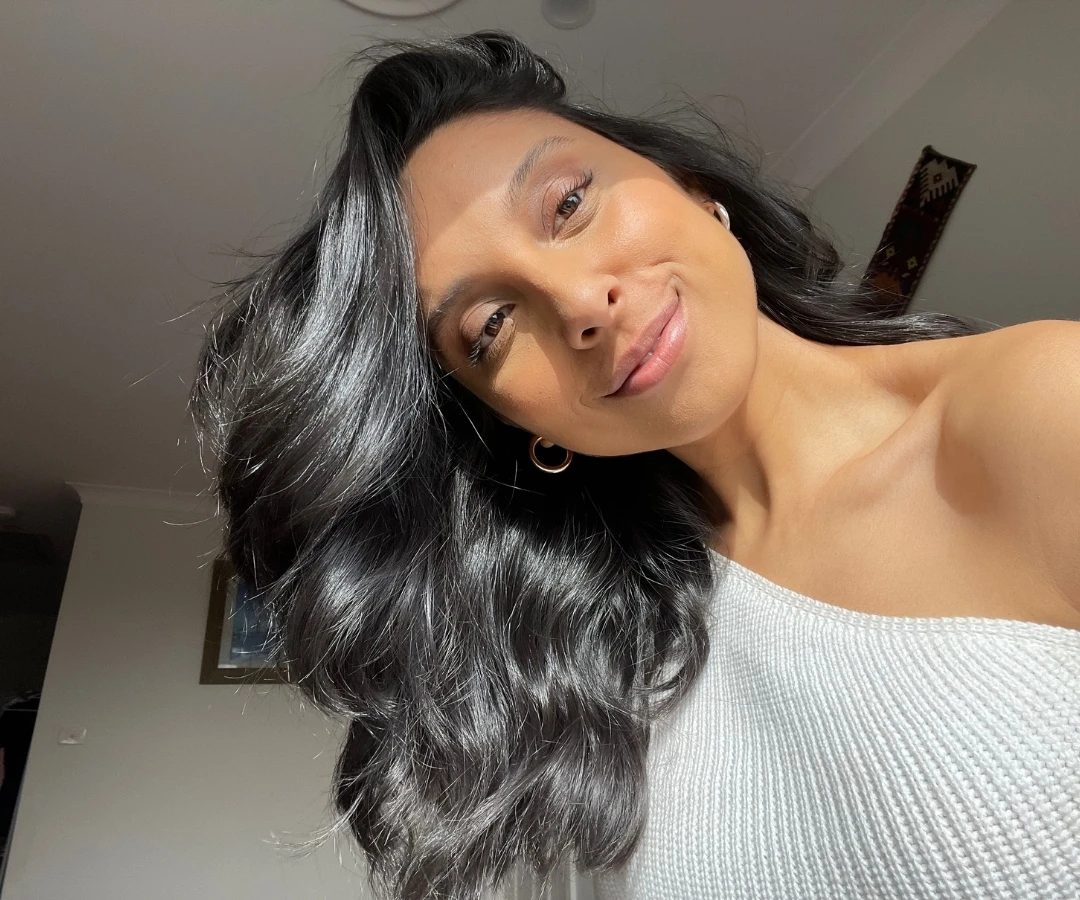
The most common of the hair textures and the middle child in this set of siblings, medium hair texture is easy-going, adaptable and down for just about anything (lucky!).
“Medium is the most forgiving and holds styles and colour really well,” Lago says.
Very ‘go with the flow’, medium hair dries and holds styles easily, and has more bounce and body than the other hair textures, as it is neither too light nor too heavy. While it’s more resilient than fine hair, you’ll still want to avoid rough or excessive hair brushing, sun exposure and treatments like bleach that can cause dryness and damage.
The best hair products for medium hair
Ah, the fortuitous one! Most products and ingredients get along with medium hair, so it largely comes down to using moderate amounts of the treatment for whatever ‘problem area’ that you’re trying to target.
As it can handle a bit more weight than fine hair, ingredients like argan and avocado oil – again, just being mindful of dose – work a treat for medium hair in need of hydration and shine.
Similarly, it benefits from proteins such as keratin and rice, just taking care to maintain a balance between strengthening and moisturising to avoid dryness.
Try:
Coarse Hair Texture
Introducing the fixed sign of the hair zodiac (IYKYK): coarse hair.
Strong and just a little (lot) stubborn, coarse hair has the thickest strand width of the three texture types. It’s also unique in that it structurally contains all three layers of the hair: the cortex, cuticle, and medulla (which is what makes it feel thick), while fine and medium hair textures typically only have the cortex and cuticle (although some rare medium types do have the medulla).
“Coarse strands are wide, strong and resilient but can be dry and resistant to colour or chemical services,” says Lago.
While it likes to take its sweet time to air dry and is prone to frizz, it generally holds styles and handles high-heat tools very well (but be careful of frequency to minimise dryness), thanks to the strength of the hair.
The best hair products for coarse hair
Coarse hair does tend to get dry – but, on the plus side, is strong and sturdy – so it’s the prime candidate for conditioners and treatments containing heavier hydrators (like avocado butter, marshmallow root and shea butter) and oils (think argan, castor and coconut).
While coarse hair can get away with only being washed once a week, you’ll want to use a good clarifying shampoo every few weeks in place of your regular shampoo to help manage the build-up of heavy products, and always follow it up with a good deep conditioning mask.
When selecting protein-based treatments, it’s best to go for varieties that strengthen while adding moisture, like hydrolysed collagen or silk, every six to eight weeks.
Try:
How can someone figure out their hair texture?
“Take a shed of hair and lay it on white paper. Can't see it? Fine. Looks like a thread? Medium. Thick and almost wiry? Coarse,” Lago says.
If in doubt? Leave the detective work to the (literal) hands of your hairdresser.
“Your stylist will also be able to tell you instantly. It's one of the first things we look at in a consultation,” she adds.
What products should each hair texture avoid?
Just as it’s helpful to know which products to work with, it’s good to keep in mind what’s not so great for your texture type. Steer clear of these, and your locks will love you for it.
Fine hair texture:
If your hair is on the fine side, you’ll want to avoid weighty, oil-based or intensely moisturising products (think thick leave-in conditioners and masks) to avoid your locks becoming limp.
“Fine hair hates heavy products — they weigh it down and make it look greasy fast,” Lago tells BeautyIQ.
The no-gos? Ingredients like cocoa or shea butter and dense oils à la coconut and olive are high on the list.
Similarly, ultra-hold hairsprays, keratin-based products (unless specially formulated for fine hair) and shampoos containing sulphates (which overly strip fine hair of its natural oils) are best left out of your routine as they also sit heavily on the strands.
Medium hair texture:
While the medium hair texture plays well with just about anything, aim to keep things “Goldilocks” when it comes to the number and dose of products you layer on.
“Medium hair is pretty easygoing, but pile on too much product, and it'll lose its life pretty quickly,” Lago emphasises.
And although it can work with heavier oils than fine hair, for example, you’re still best taking a ‘less is more’ approach. If you’re not sure how much is ‘too much’ of any given product, start with less than you think you need – you can always add more later if your hair handles it well.
Coarse hair texture:
The sworn enemies of the coarse hair texture? Anything that leaves it feeling parched, brittle and prone to snapping.
“Coarse hair hates anything drying, so harsh shampoos (for example, sulphate-based) and skipping conditioner are a no,” Lago says.
To keep coarse hair happy, skip the mineral oil and try not to go hard on protein-heavy formulas and anything high in drying alcohols, typically found in dry shampoos and hairsprays (check the label for ingredients like ethanol, isopropyl alcohol and SD alcohol).
Want to level up your locks? Read these next: